Author: Gabriela Alina

Preparing for a private flight, pilot’s main duties

Being a private jet crew pilot is all about attention to detail, exceptional service, and ensuring a seamless and luxurious experience for passengers. The primary steps for a pilot and crew in preparing for a flight are as follows:

Early Morning: Pre-Flight Preparation
1. Briefing Session: The pilot and crew attend a pre-flight briefing to review the day’s flight details, weather conditions, and any specific client requests.
2. Aircraft Inspection: Conduct a thorough pre-flight inspection of the aircraft, checking systems, fuel levels, and safety equipment to ensure everything is in perfect working order.
3. Flight Planning: Finalize the flight plan, including the route, altitude, and any potential alternate airports. This ensures a smooth and efficient journey.
4. Catering Coordination: Confirm and oversee the loading of any special catering requests from clients, ensuring that everything is in place for an exceptional in-flight dining experience.

Mid-Morning: Pre-Flight Procedures
5. Passenger Arrival: Greet passengers as they arrive at the private terminal, providing a warm welcome and assisting with any luggage.
6. Safety Briefing: Give a personalized safety briefing to the passengers, tailored to the specific aircraft and flight details.
7. Flight Deck Preparation: Power up the aircraft systems, run through the pre-flight checklists, and enter the flight plan into the avionics.
8. Communication with ATC: Establish contact with air traffic control (ATC) for final clearances and instructions.

In-Flight: Providing a Seamless Experience
9. Takeoff and Ascent: Execute a smooth takeoff and ascent, closely monitoring all systems and communicating with ATC throughout.
10. In-Flight Comfort: Ensure that passengers are comfortable, catering to their needs, and providing any requested services or amenities.
11. Monitoring Systems: Continuously monitor aircraft systems, weather updates, and flight progress, making any necessary adjustments for a safe and smooth flight.

Landing: Completing the Journey
12. Descent and Landing: Execute a precise descent and landing, ensuring a smooth and comfortable experience for the passengers.
13. Post-Flight Procedures: Conduct a post-flight debrief with the crew, reviewing the flight and addressing any issues or feedback.
14. Aircraft Inspection: Perform a post-flight inspection of the aircraft to ensure it is ready for the next journey.

RM

Farewell Gulfstream G650

On February 12, 2025, Gulfstream Aerospace celebrated the end of an era in private jet history as the final G650 ultra-long-range jet rolled off the production line in Savannah.
 
After achieving an impressive milestone of one million flight hours, Gulfstream has announced the retirement of one of its most iconic aircraft.
 
However, a new luxury jet, G800 is set to replace it, with Gulfstream planning its launch later in 2025.
 
The G650 distinguished itself not only through its impressive range and speed but also with its cutting-edge engineering and luxurious design.
 
This made it the model of choice for business travelers, but also by government and corporate entities that depend on premium air mobility solutions. It set new benchmarks for comfort, efficiency, and technological advancement, standards that have been upheld and enhanced in subsequent Gulfstream models.
 
“Since their inception, the G650 and G650ER have become the industry standard that all others have followed, recently surpassing a staggering 1 million flight hours,” said Mark Burns, President of Gulfstream. “Beyond the program’s innumerable accolades and 125+ world speed records, innovations introduced with the form, fit and precision manufacturing process of the G650 laid the groundwork for today’s next-generation Gulfstream fleet.”
 
The first G650 was delivered to its launch customer in 2012 and two years later, in 2014, the G650ER, an extended range version of the original, was certified.

The farewell to the Gulfstream G650 marks the end of an iconic era in aviation. Known for its exceptional range, speed, innovative engineering, and luxurious design, the G650 was a favorite among business travelers and companies worldwide. This aircraft set the standard for comfort, efficiency, and technological advancements, leaving a lasting legacy.

Farewell, Gulfstream G650, and thank you for setting the gold standard in private aviation. ✈️✨

RM

Before embarking a private jet

Before embarking: 10 things a private jet customer should be aware of before embarking

Embarking on a private jet journey is an experience like no other, offering unparalleled luxury and convenience. However, to ensure your trip goes off without a hitch, there are several important factors to keep in mind.

First and foremost, ensure you have all necessary travel documentation. This includes your passport, visas, and any required health certificates. Having these documents in order will save you from any last-minute hassles at the terminal.

Next, be mindful of baggage restrictions for your specific aircraft. It’s essential to know the weight and size limitations to avoid any surprises at the terminal. Confirming these details in advance ensures a smooth boarding process.

Arriving on time at the private terminal is crucial. Check the recommended arrival time and plan accordingly. Unlike commercial airports, private terminals have streamlined processes, but punctuality is still key to a seamless experience.

Understanding the security procedures at the private terminal is also important. These procedures might differ from those at commercial airports, so it’s good to familiarize yourself with them beforehand. This knowledge will help you breeze through security checks with ease.

Take a moment to familiarize yourself with the in-flight services available on your private jet. From gourmet catering options to Wi-Fi and entertainment, knowing what’s available can enhance your travel experience. If you have any special requests or requirements, such as dietary needs or specific amenities, be sure to communicate them to the flight crew in advance.

Weather conditions can impact your flight schedule, so it’s wise to check the forecast for both your departure and arrival locations. Being aware of potential weather-related delays helps you stay prepared and informed.

Arranging ground transportation to and from the private terminal is another essential step. Ensuring seamless travel from start to finish adds to the overall convenience of your journey.

Familiarize yourself with the emergency procedures and safety features of the aircraft. While private jets are incredibly safe, knowing these procedures can provide peace of mind.

Finally, keep the contact information of the flight crew and your private jet service provider handy. In the event of any last-minute changes or inquiries, having this information at your fingertips is invaluable.

By keeping these ten factors in mind, you can ensure a smooth, enjoyable, and luxurious private jet experience from start to finish.

RM

Delays and cancellations

Top 10 10 factors that might cause the delay or cancellation of a private flight.

Planning a private flight is an exercise in precision and coordination. Yet, even the most meticulously planned journeys can encounter unexpected obstacles. Let us take you through some of the common factors that can cause delays or cancellations of a private flight:
 
❄️ Weather Conditions: Severe weather such as thunderstorms, heavy snow, or fog can impact flight schedules. Weather, as unpredictable as it is, plays a significant role in flight schedules.
 
🛠 Technical Issues: Mechanical problems or maintenance requirements can lead to delays or cancellations. Technical issues, though not frequent, are part of the reality of aviation.
 
👨‍🏭 Air Traffic Control: Congestion or restrictions in air traffic control can affect flight timings. Air traffic control restrictions and congestion can significantly impact flight timings, requiring us to wait for a new departure slot.
🩺 Crew Availability: Unavailability of the flight crew due to illness or other reasons can cause delays, and finding a suitable replacement on short notice can be challenging.
🚦 Airport Restrictions: Temporary closures or restrictions at airports can impact flight schedules, forcing to consider alternative airports and adjustment of the plans accordingly.
👨‍✈️ Security Concerns: Heightened security measures or threats can lead to delays or cancellations. Security concerns necessitate additional checks and procedures, further contributing to the delay.
🤵‍ Passenger Delays: Late arrival of passengers can delay the departure of the flight.
⛽️ Fueling Issues: Delays in refueling the aircraft can impact the flight schedule.
👮‍♂️ Customs and Immigration: Delays in customs and immigration clearance can affect international flights.
🛩 Operational Changes: Last-minute changes in flight plans or operational requirements can lead to delays or cancellations.
 
Despite these challenges, our commitment to safety, coordination, and communication ensured that we navigated each obstacle effectively.
While delays and cancellations are sometimes inevitable, understanding these factors helps us manage expectations and continue providing exceptional service.
 

ROLLS-ROYCE SCENT: AN IMMERSIVE FRAGRANCE CONCEPT

ROLLS-ROYCE SCENT: AN IMMERSIVE FRAGRANCE CONCEPT

Rolls-Royce Motor Cars is taking the interior experience of its motor cars into a new sensory dimension with the launch of Rolls-Royce Scent, introduced on its pinnacle product, Phantom.

“A Rolls-Royce interior is a unique space in which every element is meticulously curated to create an unparalleled multi-sensory experience. With our new fragrance concept, Rolls-Royce Scent, we move beyond the visual and tactile realms into a new dimension. Designed and developed by our in-house perfumer and delivered using patented technology, this fragrance elevates the already peerless Rolls-Royce experience, creating an environment that is even more special, and absolutely unmistakable.”
Martina Starke, General Manager, Bespoke Design, Rolls-Royce Motor Cars

Rolls-Royce Motor Cars is taking the interior experience of its motor cars into a new sensory dimension with the launch of Rolls-Royce Scent, introduced on its pinnacle product, Phantom.

Crafted by an expert in-house perfumer of the marque’s Bespoke Collective, Rolls-Royce Scent is designed to elegantly complement the natural aromas of the materials used within the motor car. The fragrance combines notes of Amyris, Cedarwood, Rosewood and Iris, perfectly capturing and elevating the serenity of the Rolls-Royce experience.

Every Rolls-Royce is designed, engineered and crafted with meticulous attention to detail – including the aromas experienced within the interior of the motor car. For every new Rolls-Royce model, a specialist department within the brand – which comprises experts trained in sectors ranging from biochemistry to haute parfumerie – is consulted during the selection of leathers, woods, wools and other tactile surfaces. This includes the materials used to enhance and protect them, such as lacquers and dyes. These specialists ensure that each material represents the best of its kind – not only for its visual and tactile qualities – but also for its scent. The result is a sophisticated blend of aromas within the motor car’s interior suite, characterised by a rich leather note.

Designed to enrich the sensory experience within the motor car, Rolls-Royce Scent subtly introduces new comforting and relaxing olfactory themes. Cedarwood brings a calming, delicately spiced complexity and Rosewood adds a dry, slightly sweet note, while Iris introduces a floral yet earthy quality, complemented by the woody, smoky undertones of Amyris. Experienced as one, the fragrance balances soft, precious aromas with richness and depth, effortlessly embodying the qualities of the motor car.

A fragrance-releasing system was developed for the Rolls-Royce Scent. The structure of the patented scent-diffuser ensures that the fragrance is released in suitably delicate doses for a long-lasting, sophisticated sensory experience.

Significant testing was undertaken to ensure that the scent provides a consistent experience for the marque’s global client base. This included analysing the fragrance in static and dynamic conditions as well as a range of temperature and humidity extremes. Specialists dedicated much time to perfecting the precise dose of fragrance to place in the diffusing system, fastidiously balancing longevity with subtlety. More than 30 iterations were developed before in-house experts were satisfied that the fragrance would meet the requirements of Rolls-Royce’s discerning clients.

Source:ROLLS-ROYCE SCENT: AN IMMERSIVE FRAGRANCE CONCEPT

PJE

Welcome to Rhapsody Magazine‘s exclusive interview series, where we bring you insights from industry leaders and innovators. Today, we have the pleasure of speaking with Cristian – Octavian Frăsin, the owner of  Private Jets Europe.


Founded in 2008, Private Jets Europe has established itself as a premier provider of luxury private jet and air ambulance charter services. Known for their exceptional service, safety standards, and diverse fleet choices, the company caters to a wide range of clients, including business executives, sports teams, and families.

Join us as we delve into the world of private aviation and explore the future of Private Jets Europe and the private jet industry with Cristian Frăsin.

Rhapsody Magazine: Hello Cristian, thank you for joining us today. Could you tell us a bit about your journey and what inspired you to start Private Jets Europe?

Cristian Frăsin: Thank you for having me. I started Private Jets Europe in 2008 after noticing a significant gap in the market for luxury private jet charter services. We wanted to set new standards and provide exceptional service to our clients, focusing on health, safety, and comfort.

R.M.: That’s impressive. How has the company evolved since its inception?

C.F.: Over the years, we’ve expanded our fleet and services, catering to a diverse range of clients, from business executives to sports teams and families. We’ve also implemented strict health and safety guidelines, especially during and after the Covid period, to ensure the best travel experience for our clients.


R.M: Safety is indeed crucial. How do you ensure the safety and security of your clients?

C.F.: Safety is our number one priority. We work exclusively with accredited operators and ensure that all licensing and safety standards are met. Our pilots are highly experienced and well-trained, and we maintain strict health and safety guidelines to provide a secure travel experience.

R.M.: Can you tell us about the types of aircraft you offer and the criteria for selecting them?

C.F.: We offer a wide range of aircraft, including light jets (4-6 seats), midsize jets (7-9 seats), heavy jets, and VIP airliners. We carefully select our aircraft based on their features, modern technology, and onboard services. Our pilots are chosen for their extensive flight experience and expertise.

R.M.: How do you see the private jet industry evolving in the next few years, what trends and challenges do you foresee in the private jet industry?

C.F.: The private jet industry is expected to continue growing, driven by increasing demand for flexible and personalized travel options. However, challenges such as rising jet fuel prices, stricter CO2 emission regulations, and supply chain delays for parts may impact the market. Sustainability and green aviation initiatives will also be a major focus. The private jet industry will likely see significant advancements in technology, including more fuel-efficient engines and the development of electric and hybrid aircraft. Additionally, there will be a greater emphasis on sustainable practices and reducing the environmental impact of private aviation. The industry will continue to adapt to the needs and preferences of clients, offering more personalized and innovative services.

R.M.: What is the new customer profile, and what is he expecting from you?

C.F.:  The new clients of private jets are a diverse and dynamic group, including young entrepreneurs, tech executives, celebrities, and high-net-worth individuals seeking personalized travel experiences. Their wishes are centered around flexibility, privacy, and luxury. They value the ability to travel on their own schedule, bypassing the constraints of commercial flights.

Additionally, they seek unparalleled comfort and amenities, from bespoke catering to state-of-the-art in-flight entertainment systems. Health and safety remain a top priority, with many clients requesting enhanced sanitization measures and private terminals to minimize contact. Sustainability is also becoming increasingly important, with clients expressing interest in eco-friendly flight options and carbon offset programs. Overall, these new clients expect a seamless, exclusive, and tailored travel experience that aligns with their lifestyle and values.


R.M.: And how does respond the private jet industry to their needs?

C.F.: The new means of transportation in private aviation are being built to cater to the evolving needs of clients by focusing on sustainability, technology, and personalized services. These advancements are designed to meet the demands of modern travelers who prioritize flexibility, privacy, luxury, and sustainability in their private aviation experiences.  I will mention some:

1. To address environmental concerns, new aircraft are being designed to use SAF (Sustainable Aviation Fuels), which significantly reduces carbon emissions compared to traditional jet fuels. These fuels are made from renewable resources and can be blended with conventional jet fuel.

2.  Innovations in electric and hybrid propulsion systems are paving the way for more eco-friendly aircraft. While still in the early stages, these technologies promise to reduce the environmental impact of private aviation.

3.  Modern private jets are equipped with advanced onboard technology, including high-speed internet, on-demand entertainment, and real-time flight monitoring through mobile apps. This ensures a seamless and connected travel experience for passengers.

4. New business models like jet sharing and jet card memberships are making private aviation more accessible and cost-effective. These programs allow clients to enjoy the benefits of private travel without the need for full ownership.

5. There is a growing focus on passenger wellness, with private jets offering enhanced comfort, better air quality, and personalized services. This includes features like advanced air filtration systems and customized catering options.

6. To optimize efficiency and reduce costs, operators are utilizing empty leg flights, where jets are available for charter on return trips without passengers. This helps minimize empty travel and makes better use of resources.

R.M.: What are your plans for the future of Private Jets Europe?

C.F.: Our future plans include expanding our fleet with more eco-friendly aircraft, implementing a digital booking platform for a seamless customer experience, and continuing to uphold our high standards of safety and service. We’re also looking into partnerships with other luxury travel and lifestyle brands to offer our clients even more exclusive experiences.

R.M. Thank you Cristian for sharing your insights, it’s been a pleasure talking to you.

C.F.: Thank you for having me. It’s been great discussing the future of private aviation with you.

PJE

Interview with Cristian Frasin, the owner of Private Jets Europe

Why choosing us for your flights?

When you choose Private Jets Europe, you can rest assured that you are in safe hands!

🌟 Our Core Values: Excellence, Luxury, and Trust 🌟
At Private Jets Europe, we believe in delivering nothing but the best. Our core values of excellence, luxury, and trust are the foundation of everything we do. We are committed to providing our clients with an unparalleled experience that exceeds their expectations.
✈️ Why We Sell to You: Because You Deserve the Best
We understand that our clients demand the highest standards of service and quality. That’s why we offer a fleet of state-of-the-art private jets, meticulously maintained and equipped with the latest technology. Our team of experienced professionals is dedicated to ensuring your journey is seamless, comfortable, and luxurious.
🌐 Your Journey, Our Priority
From the moment you book with us, your satisfaction becomes our top priority. We take pride in offering personalized services tailored to your unique needs. Whether it’s a business trip or a leisurely getaway, we are here to make your travel experience extraordinary.
💼 Excellence in Every Detail
Every detail matters to us. From the plush interiors of our jets to the gourmet meals prepared by top chefs, we leave no stone upturned in ensuring your comfort and satisfaction. Our commitment to excellence is reflected in every aspect of our service.
🤝 Building Trust, One Flight at a Time
Trust is the cornerstone of our relationship with our clients. We are dedicated to building long-lasting relationships based on transparency, reliability, and integrity.

Why Choose Private Aviation?

Time Efficiency: Skip the long lines and delays at commercial airports. With private aviation, you can arrive at your destination faster and on your schedule.
Privacy and Comfort: Enjoy the utmost privacy and comfort in a luxurious cabin designed to meet your specific needs.
Flexibility: Private jets provide the flexibility to fly to remote destinations and smaller airports that commercial airlines can’t reach.
Safety and Security: Experience enhanced safety and security measures, ensuring a worry-free journey from start to finish.
Renting a Private Jet
Renting a private jet is an excellent option for those who need occasional access to private aviation without the commitment of ownership. Here are some key benefits:
Cost-Effective: Pay only for the hours you fly, without the long-term financial commitment of owning a jet.
Variety of Aircraft: Choose from a wide range of aircraft to suit your travel needs, from light jets for short trips to heavy jets for long-haul flights.
On-Demand Availability: Access a private jet whenever you need it, with the flexibility to book flights on short notice.
Purchasing a Private Jet
For those who frequently travel and seek the ultimate in convenience and luxury, purchasing a private jet may be the ideal solution. Here are some advantages:
Full Control: Enjoy complete control over your travel schedule, aircraft customization, and in-flight services.
Long-Term Investment: Owning a private jet can be a valuable long-term investment, offering potential tax benefits and asset appreciation.
Brand Image: Enhance your personal or corporate brand image by owning a private jet, reflecting success and prestige.
How We Can Help
At Private Jets Europe, we specialize in private jet sales and brokerage, offering a comprehensive range of services to meet your aviation needs. Our team of experts is dedicated to providing personalized assistance, ensuring a seamless and enjoyable experience.
Aircraft Selection: We help you choose the perfect aircraft based on your travel requirements and budget.
Financing and Insurance: Our team can assist with financing options and insurance coverage to protect your investment.
Maintenance and Management: We offer maintenance and management services to keep your aircraft in top condition and ready for your next journey.

Boeing Everett Factory, the largest building in the wold

The Boeing Everett Factory, officially known as the Everett Production Facility, is an airplane assembly facility operated by Boeing in Everett, Washington. It is renowned for being the largest building in the world by volume, covering an impressive 472 million cubic feet (13,376,037.9 m³) of interior space. The factory spans 98.3 acres (39.8 hectares) and is part of a larger complex that covers approximately 1,000 acres (400 hectares).
 
Built in 1967 to manufacture the Boeing 747, the Everett Factory has since expanded to accommodate other aircraft models, including the 767, 777, and 787 programs. Over the years, more than 5,000 widebody aircraft have been built at this facility. The factory is equipped with six production lines, guided by 26 overhead cranes that move along 31 miles (50 kilometers) of track.
 
The Everett Factory is not just a marvel of engineering but also a bustling hub of activity, employing around 30,000 workers who work in three shifts. The factory includes various amenities such as a fire station, medical clinic, gymnasium, and several restaurants and cafes. It even has a network of pedestrian and utility tunnels spanning 2.33 miles (3.75 kilometers) under the factory floor.
 
Visitors to the factory can take the Boeing Tour, which offers a glimpse into the world of aircraft manufacturing and the history of Boeing’s innovations. The tour is a popular attraction, drawing thousands of visitors from around the world each year.

PJE

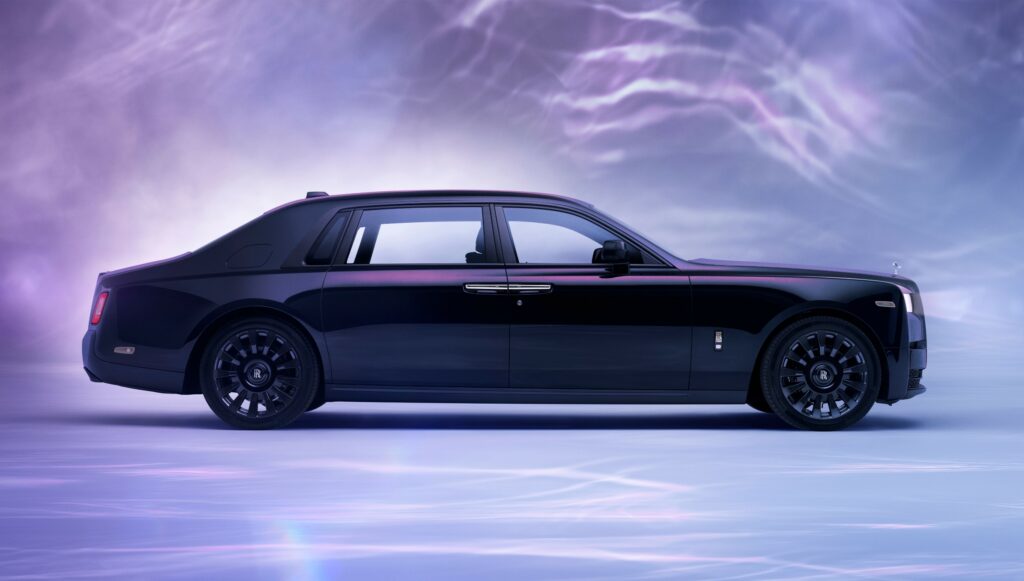
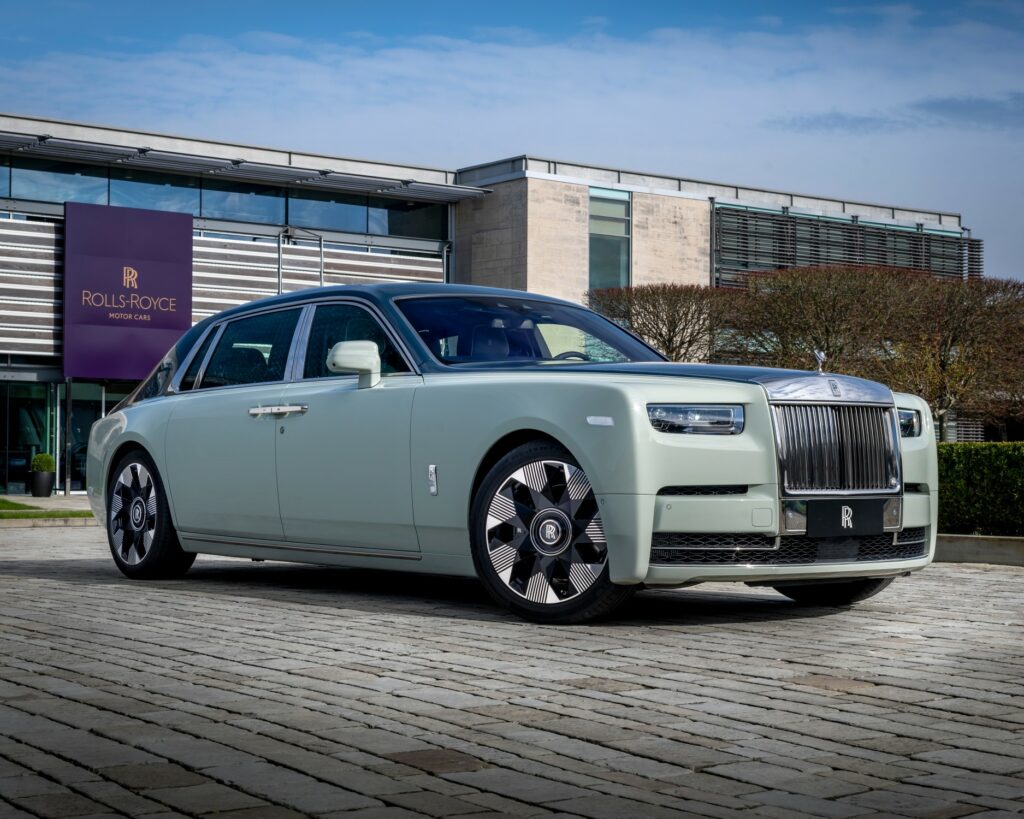
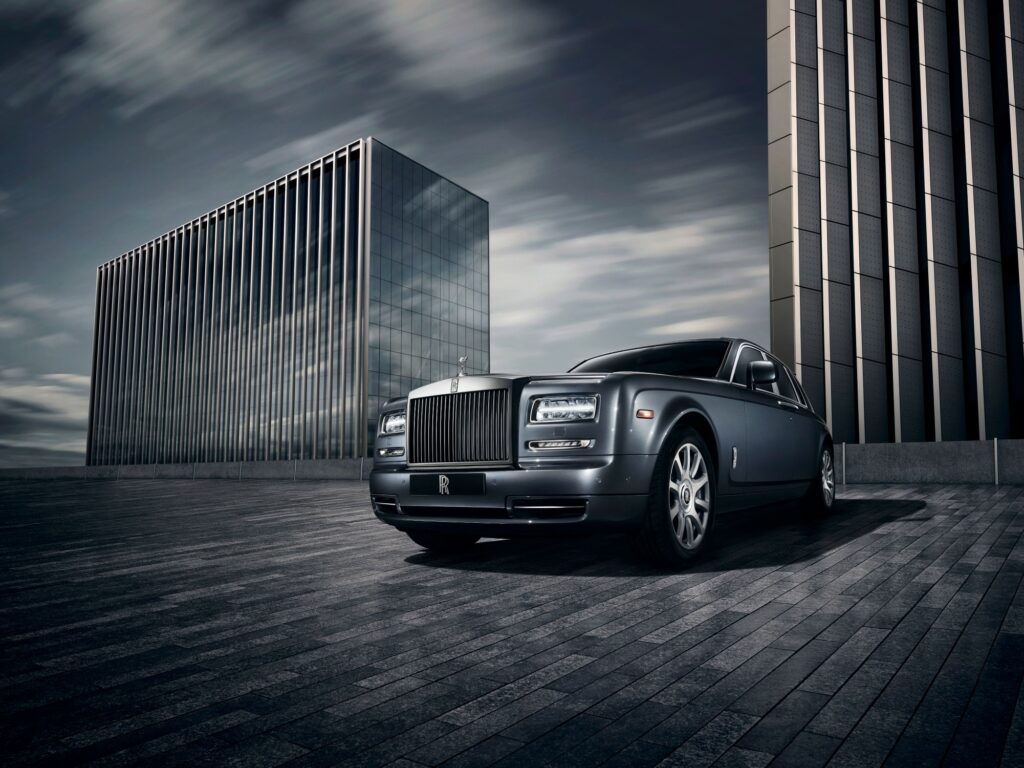
ROLLS-ROYCE PHANTOM: 100 YEARS OF PERFECTION

In 2025, Rolls-Royce Motor Cars marks the centenary of the launch of the first Phantom. Throughout its long history, the Phantom nameplate has been reserved for the pinnacle model in the marque’s portfolio – the very apex of excellence.

“One hundred years ago, Rolls-Royce launched the first motor car to bear what would become the most evocative and enduring nameplate in its history: Phantom. Through eight generations, Phantom’s fundamental role as the pinnacle Rolls-Royce motor car has always been the same: to be the most magnificent, desirable and above all, effortless motor car in the world – the very best of the best. In many respects, the history of Phantom is the history of Rolls-Royce: always moving with the times and its clients’ needs and requirements, transcending fleeting trends and providing the setting for the most remarkable executions of craft and artistry, all while resolutely refusing to compromise its core engineering and design principles. We’re proud to continue this tradition of excellence, elegance and serenity into the next 100 years.”
Chris Brownridge, Chief Executive, Rolls-Royce Motor Cars

In 2025, Rolls-Royce Motor Cars marks the centenary of the launch of the first Phantom. Throughout its long history, the Phantom nameplate has been reserved for the pinnacle model in the marque’s portfolio – the very apex of excellence.

Each iteration, up to and including the eighth generation currently being handcrafted at the Home of Rolls-Royce at Goodwood, has seen advances in design, engineering, materials and technology. Today, Phantom is the ultimate blank canvas for Bespoke commissions, where clients can bring their most elaborate, imaginative and personal visions to life. Inspiration for Bespoke commissions is everywhere, and Phantom’s scale, elegance, presence and adaptability enable it to be whatever its owner wishes it to be. Recent inspirations include haute couture (Phantom Syntopia), famous films (Phantom Goldfinger), Chinese culture (Phantom Extended ‘Year of the Dragon’) and the marque’s own Spirit of Ecstasy Mascot (Phantom Scintilla).

Phantom has always had the same fundamental aim: to provide the most magnificent, desirable and, above all, effortless motor car in the world – the very best of the best. At the start of Phantom’s anniversary year, Rolls-Royce reveals the fascinating story behind its pinnacle product, and how it earned – and maintained – that reputation through a century of constant, often profound change.

A NEW BEGINNING

Rolls-Royce first earned the accolade of ‘the best car in the world’ with the 40/50 H.P., universally known as the Silver Ghost, launched in 1906. The key to its legendary reputation was Henry Royce’s principle of constant improvement to its underlying engineering, which he conducted on an almost chassis-by-chassis basis.

By 1921, Royce realised the Silver Ghost’s design was reaching the point where no further developments would be possible without compromising either smoothness or reliability – both by now essential elements of the Rolls-Royce character and legend. He therefore began work on its replacement.

“Rolls-Royce Ltd beg to announce that, after prolonged tests, they can now demonstrate and accept orders for a new 40/50 H.P. chassis. The 40/50 H.P. chassis hitherto manufactured by them will be sold as before… The original chassis of this type was the famous Silver Ghost, and to prevent confusion such chassis will be known as the Silver Ghost model, whereas the new chassis will be known as the New Phantom.”
Original Advertisement from The Times Newspaper, Saturday 2 May 1925

Despite being couched in terms that today seem rather quaint and stilted, this advertisement made history. It was the first public acceptance by Rolls-Royce that the outgoing model would be called Silver Ghost officially, rather than as a byname. More significantly, it was the first recorded use of the Phantom name.


THE GAME OF THE NAME

Although there is no specific documentary evidence, it seems safe to assume that the Phantom name was coined by Rolls-Royce’s energetic and ever-inventive Commercial Managing Director, Claude Johnson. It was he who recognised that naming the company’s products could act as a sales device, and it was his fertile imagination that produced the inspired sobriquet ‘Silver Ghost’ for the otherwise prosaically titled 40/50 H.P. in 1907. That same year, he christened another 40/50 H.P. ‘Green Phantom’, before bestowing the rather more evocative ‘Silver Phantom’ on two examples in 1909.

Johnson clearly understood the power of names like Phantom, Wraith and Ghost to convey the products’ supernatural quietness and ethereal grace; all have graced Rolls-Royce motor cars in the modern era for precisely the same reason. How different history would have been had one of his more fanciful efforts – The Dreadnought, The Cookie, Yellow Bird, The Elusive Pimpernel – been adopted instead.

A CHANGING WORLD

The Phantom name had graced the very best of the best cars in the world for some 14 years when war broke out in 1939. Rolls-Royce ceased all motor car production, and when peace returned in 1945, the company found itself in an entirely different world – but one it had anticipated and prepared for.

Rolls-Royce had correctly foreseen that under post-war austerity, it would need to make its motor cars less complex, easier to service, much less expensive to produce and able to use common parts. At the same time, it was adamant that there would be no reduction in quality.

Its solution was the Rationalised Range, which debuted in 1946 with Silver Wraith. Its new straight-6-cylinder engine was a backward step from the V12 engine of Phantom III, but relevant in straitened times. There seemed to be no place in the modern world for Phantom.

A ROYAL INTERVENTION

The Phantom story might well have ended there, but for two serendipitous events.

As part of the ongoing development process for the Rationalised Range, engineers produced four experimental EX cars on a 229.5-inch chassis with a straight-8 engine. One of these, fitted with a Park Ward & Co. limousine body, was officially named Silver Phantom (and unofficially known as Big Bertha). A smaller, lighter saloon version, known as the Scalded Cat, followed.

At the same time, the Royal Household was seeking to replace its ageing fleet of Daimlers – the marque it had favoured since the motor car was invented – but was unhappy with the range then on offer.

In 1950, Rolls-Royce was asked to supply a formal limousine for Royal duties. The company had long been keen to usurp Daimler in the Royal Mews, and gladly produced a ‘one-off’ straight-8 long-chassis limousine with coachwork by H. J. Mulliner. During manufacture, the car was given the codename Maharajah, and remains in active service at the Royal Mews under that name to this day.

When requests for similar motor cars followed from other Royalty and Heads of State, Rolls-Royce was happy to oblige. The company decided it would be fitting that for such prestigious cars to resurrect the Phantom name. Over the next seven years, the marque produced just 18 examples of Phantom IV, including a second motor car for the Royal Mews, a landaulette named Jubilee, delivered in 1954.