Author: Gabriela Alina

How High Can We Fly? Exploring the Altitudes of Private Jets
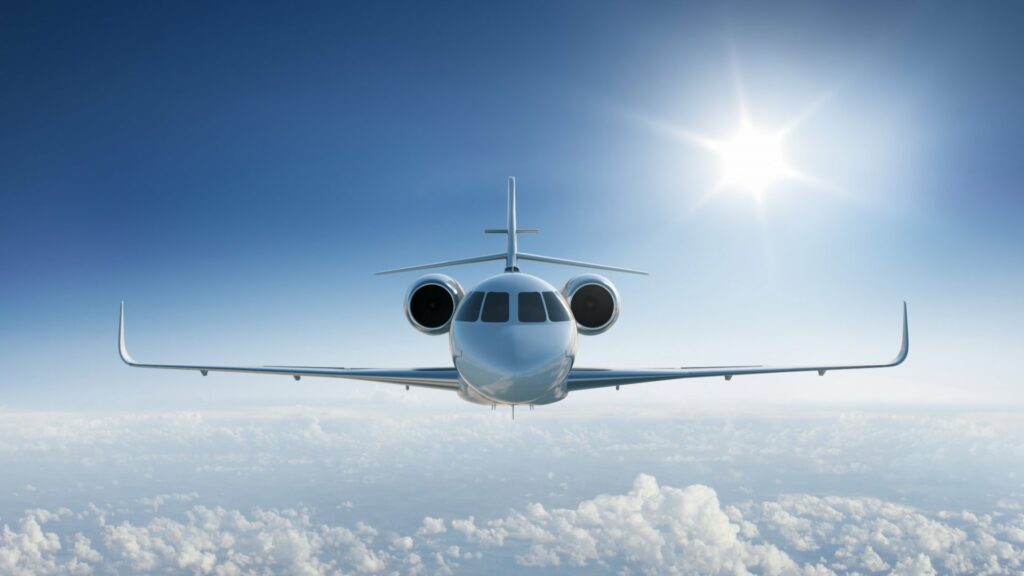
Private jets are the epitome of luxury travel, offering unparalleled comfort, convenience, and speed. But beyond these well-known benefits, private jets also have the capability to fly at impressive altitudes, providing a smoother and more efficient travel experience. So, just how high can we fly in a private jet? Let’s explore.

The Benefits of High-Altitude Flying
Flying at higher altitudes offers several advantages. The air is thinner at higher altitudes, which means there is less air resistance. This allows jets to fly faster and more efficiently, reducing travel time and fuel consumption. Additionally, higher altitudes often mean smoother flights, as jets can avoid much of the turbulence and adverse weather conditions found at lower levels.

Top High-Flying Private Jets
Gulfstream G650ER: This jet is renowned for its high-altitude capabilities, reaching up to 51,000 feet. Its advanced aerodynamics and powerful engines enable it to cruise at speeds of Mach 0.925, making it one of the fastest and highest-flying private jets available.

Bombardier Global 7500: Another top contender, the Global 7500 can also reach altitudes of 51,000 feet. It combines range, speed, and luxury, making it a favorite among business travelers and luxury seekers.

Dassault Falcon 8X: Known for its sleek design and exceptional performance, the Falcon 8X can soar to 51,000 feet. Its advanced wing design and powerful engines ensure a smooth and comfortable flight even at high altitudes.

Embraer Lineage 1000E: While it doesn’t reach the same altitudes as the Gulfstream or Bombardier, the Lineage 1000E still impresses with a maximum altitude of 41,000 feet. It offers a spacious and luxurious cabin, making it a popular choice for long-haul flights.

Cessna Citation Longitude: This jet can fly up to 45,000 feet and is known for its performance, efficiency, and comfort. It’s a reliable choice for those seeking a high-altitude travel experience without compromising on luxury.

Why Altitude Matters
Flying at high altitudes is not just about reaching impressive heights. It has practical benefits that enhance the overall travel experience. Higher altitudes mean less air resistance, leading to faster travel times and more efficient fuel usage. This is particularly important for private jet owners and operators, as it can result in significant cost savings.

Moreover, high-altitude flying provides a smoother ride by avoiding much of the turbulence found at lower levels. The air is also cleaner and less humid, contributing to a more comfortable cabin environment. For pilots, flying at higher altitudes offers better visibility and the ability to navigate around weather systems and other obstacles more effectively.

Conclusion
Private jets are designed to offer the ultimate in luxury and convenience, and their ability to fly at high altitudes is a key part of this experience. Whether you’re travelling for business or pleasure, the benefits of high-altitude flying—smoother rides, faster travel times, and greater fuel efficiency—make private jets an exceptional choice for discerning travellers.

So, the next time you board a private jet, take a moment to appreciate just how high you can fly and the incredible engineering that makes it possible.

PJE

Winter extra costs in aviation

❄️Winter can bring a unique set of challenges and additional costs for private aviation. Here are some of the key expenses to be aware of:
 
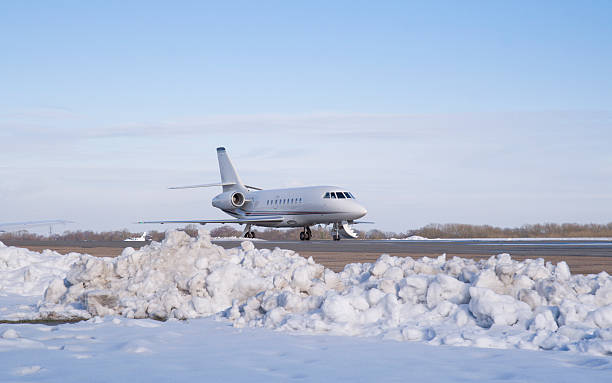
De-Icing Costs: One of the most significant winter expenses is de-icing. Aircraft must be de-iced before takeoff to ensure safety, which involves spraying the aircraft with a special fluid to remove ice and snow. The cost of de-icing can vary depending on the size of the aircraft and the amount of fluid required, but it can range from €1,000 for a small jet to over €10,000 for larger aircraft.
 
Hangar Fees: To avoid the need for de-icing, many operators choose to store their aircraft in hangars. However, hangar space can be limited and expensive, especially during the winter months. Hangar fees can add a significant cost to the overall expense of operating a private jet.
 
Fuel Costs: Cold weather can affect fuel efficiency, leading to higher fuel consumption. Additionally, the cost of fuel can fluctuate during the winter months, potentially increasing operational costs.
 
Maintenance and Inspections: Winter weather can be harsh on aircraft, leading to increased wear and tear. This means more frequent maintenance and inspections are required to ensure the aircraft remains in top condition. These additional maintenance checks can add to the overall cost of operating a private jet.
 
Crew Costs: Operating in winter conditions can be more demanding for flight crews, sometimes requiring additional training or certifications. This can lead to higher crew costs, including salaries and training expenses.
 
Landing and Handling Fees: Airports may charge higher landing and handling fees during the winter months due to the increased need for snow removal and other winter-specific services.
 
By understanding and planning for these extra costs, private jet operators can ensure a smooth and safe operation throughout the winter season.
 
Our experts will find the best solutions for your trip!

PJE

ROLLS-ROYCE CELEBRATES SIXTY YEARS OF GOLDFINGER

ROLLS-ROYCE CELEBRATES SIXTY YEARS OF GOLDFINGER WITH EXQUISITE ONE-OF-ONE PHANTOM EXTENDED

“At Rolls-Royce, we are dedicated to crafting deeply personal masterpieces that reshape the boundaries of possibility and truly define the essence of luxury. Each creation is a reflection of our commitment to producing extraordinary, unique motor cars that consistently delight and exceed the expectations of our clients. This particular project really invigorated our team of creatives, giving them the freedom to explore the reaches of their imagination. The final creation is a testament to the power of collaboration and the extraordinary ability of our designers, craftspeople, and engineers.”

Chris Brownridge, Chief Executive, Rolls-Royce Motor Cars

“Witnessing how our Bespoke Collective seized upon the idea of celebrating 60 years of the film has been truly remarkable; this fantastic story has been masterfully explored in Phantom Goldfinger’s exquisite design. The creativity extended far beyond the making of the motor car, as we curated extraordinary experiences for the client and their family, all while staying true to the spirit of the Goldfinger theme. It is this exceptional ability to engage our clients and create lasting impressions that defines us as a true House of Luxury.”

Boris Weletzky, Regional Director, United Kingdom, Europe and Central Asia, Rolls-Royce Motor Cars

“This is gold, Mr. Bond. All my life, I’ve been in love with its colour, its brilliance, its divine heaviness.”

Auric Goldfinger, Auric Enterprises

Rolls-Royce Motor Cars has unveiled a one-of-one Phantom Extended that pays homage to the 1964 James Bond film, Goldfinger – one of twelve Rolls-Royce appearances in the 007 film franchise. Revealed in the film’s 60th anniversary year, it takes inspiration from the 1937 Phantom III Sedanca de Ville owned by theeponymous villain, Auric Goldfinger. This story is masterfully explored in Phantom Goldfinger, with exquisite and ingenious Bespoke features linking to the plot and iconography of this enduring film.

Actors and their passion to fly

American actor and film producer John Travolta has an impressive aircraft collection that is sure to captivate any aviation enthusiast.
Renowned not only for his Hollywood fame, Travolta is also known for his passion for aviation.
He holds certifications as a pilot, with type ratings for at least 11 aircraft, including some of the world’s most iconic models.
He began taking flying lessons at just 15 and earned his first certification by age 22. According to the Air & Space Museum, Travolta is now the holder of eight jet licenses, including the Boeing 747, Boeing 707, Gulfstream II, the Hawker 125, the Lear 24, 25, and 36, the British Vampire Jet, and the Canadair CL-41 Tebuan jet.
One of the most remarkable aircraft in his possession was the Boeing 707-138B. The jet was transformed into a luxurious private aircraft, seating approximately 15 passengers and boasting two bedrooms along with a full-sized bathroom.

Preparing a Private Jet for Takeoff: A Behind-the-Scenes Look

Preparing a Private Jet for Takeoff: A Behind-the-Scenes Look

When it comes to private jet travel, the journey begins long before the wheels leave the ground. Preparing a private jet for takeoff involves a meticulous series of steps to ensure safety, comfort, and efficiency. Here’s a behind-the-scenes look at what goes into getting a private jet ready for takeoff.

1. Pre-Flight Inspection

The process starts with a thorough pre-flight inspection. This includes checking the aircraft’s exterior for any signs of damage, ensuring that all systems are functioning correctly, and verifying that the fuel levels are adequate for the journey. The pilot and ground crew work together to inspect the engines, control surfaces, and landing gear.

2. Cabin Preparation

Inside the cabin, the crew ensures that everything is in perfect order. This includes checking that all safety equipment, such as life vests and oxygen masks, are in place and functioning. The cabin is cleaned and stocked with any requested amenities, such as catering, beverages, and reading materials, to provide a comfortable and luxurious experience for the passengers.

3. Flight Planning

Flight planning is a critical step in the preparation process. The pilot and flight dispatcher collaborate to create a flight plan that includes the route, altitude, and speed. They take into account weather conditions, air traffic, and any potential hazards. The flight plan is then submitted to air traffic control for approval.

4. Fueling

Fueling the aircraft is a precise operation. The amount of fuel required is calculated based on the flight plan, taking into consideration the distance, altitude, and weight of the aircraft. The ground crew ensures that the fuel tanks are filled to the correct levels and that there are no leaks or issues with the fueling system.

5. Passenger Briefing

Before takeoff, the passengers are given a briefing on safety procedures and what to expect during the flight. This includes instructions on how to use the seat belts, life vests, and oxygen masks. The crew also provides information on the flight duration, weather conditions, and any other

PJE

Flight Path to Tomorrow: Innovations and Trends in Private Aviation

The private jet industry is poised for continued growth and innovation, driven by technological advancements, sustainability efforts, and evolving customer expectations. Whether it’s through new business models or cutting-edge technologies, the future of private aviation looks promising.

The private jet market has seen a substantial rise in demand, surpassing pre-pandemic levels by over 32% as of mid-2024. This growth is driven by increased wealth, lingering pandemic concerns, and the evolving needs of business travel.

Despite short-term uncertainties due to geopolitical and economic factors, the long-term outlook for the private jet market remains strong. New business jet deliveries are expected to increase by 12% in 2025.

Nevertheless, the industry must overcome significant challenges related to supply chain complications and talent retention. It is in the process of recuperating from aerospace supply chain disruptions and faces difficulties in both attracting and retaining skilled professionals.

Emerging markets such as India, China, and the UAE are experiencing faster growth in private aviation, presenting new opportunities for the industry.

Innovations like electric air taxis are progressing, potentially transforming urban air mobility and offering new travel solutions. Enhanced in-flight connectivity and entertainment options are becoming standard, catering to the needs of modern travellers.

Some key trends have become more prominent in the industry, including:

1. Sustainable Aviation Fuels (SAF): There is a strong push towards using sustainable fuels to reduce carbon emissions. This trend is gaining traction as environmental concerns become more prominent.

2. Technological Advancements: Electric and Autonomous flight technology is on the horizon, promising to enhance safety and efficiency. This could also make air travel more accessible by improving regional connectivity.

3. Jet Sharing and Membership Programs: New business models like jet sharing and jet card memberships are making private aviation more accessible and cost-effective.

4. Passenger Wellness: There is a growing focus on passenger wellness, with private jets offering enhanced comfort, better air quality, and personalized services.

PJE

Bacchanalia: A Feast for the Senses in London

Bacchanalia: A Feast for the Senses in London

Nestled in the heart of Mayfair, Bacchanalia is more than just a restaurant; it’s an immersive experience that transports diners to a world of Mediterranean opulence and revelry. The creation of Bacchanalia was a monumental project, with construction costs reportedly exceeding £75 million

Located at 1 Mount Street, London, this establishment is a celebration of life, fine company, sumptuous dishes, and exceptional wines.

The interiors of Bacchanalia are nothing short of breathtaking. The decor, reminiscent of a Greek and Roman museum, features stunning sculptures designed by Damien Hirst. The atmosphere is both luxurious and inviting, making it a perfect spot for those seeking an escape from the ordinary.

Bacchanalia also offers private dining options, making it an ideal venue for special occasions and events. Whether it’s a corporate gathering or a personal celebration, the restaurant provides a setting that is both elegant and memorable.

Have you had the chance to visit Bacchanalia, or are you planning to? I’d love to hear about your experience or any specific details you’re curious about!

PJE

Gulfstream G700: The Pinnacle of Business Aviation

The Gulfstream G700 is a marvel of modern aviation, representing the pinnacle of luxury, performance, and innovation in the business jet market. Here’s an in-depth look at its features, benefits, and reviews.

The Gulfstream G700 has received glowing reviews from industry experts and users alike. It has been praised for its innovative design, luxurious cabin, and exceptional performance.

1. Spacious Cabin: The G700 boasts the most spacious cabin in its class, with up to five living areas. This includes an ultra-galley, a grand suite with a shower, and handcrafted seats that convert into ergonomic beds.
2. Advanced Technology: Equipped with the award-winning Symmetry Flight Deck, the G700 features active control sidesticks and extensive touchscreen technology, enhancing pilot interaction and safety.
3. Performance: Powered by Rolls-Royce Pearl 700 engines, the G700 can reach a maximum speed of Mach 0.935 and has a range of 7,750 nautical miles (14,353 km), making it one of the fastest and longest-range business jets available.
4. Wellness and Comfort: The cabin is designed for maximum comfort with 100% fresh air replenished every two to three minutes, the lowest cabin altitude in the industry, and true circadian lighting to reduce jet lag.

The aircraft has also set multiple city pair speed records, demonstrating its superior capabilities. Reviewers have highlighted the G700’s ability to combine speed, range, and comfort, making it a top choice for business aviation. The client will experience many Benefits:

1. Efficiency and Speed: The G700’s high-speed capabilities mean shorter travel times, allowing for more efficient use of time and resources.
2. Luxury and Comfort: With its spacious and flexible cabin, the G700 offers unparalleled luxury and comfort, making long flights more enjoyable and productive.
3. Advanced Safety: The Symmetry Flight Deck and other advanced avionics systems enhance safety and reduce pilot workload, contributing to safer flights.
4. Range: The impressive range of the G700 allows for non-stop flights between major cities, reducing the need for layovers and making it ideal for international travel.


The Gulfstream G700 stands out as a leader in the business jet market, offering unmatched luxury, performance, and technological advancements. Whether for business or leisure, the G700 provides an exceptional flying experience that sets a new standard in aviation.

Space X – Starship Booster Catch

Elon Musk’s SpaceX achieved a significant milestone with their Starship rocket. During its fifth test flight, the Super Heavy booster was successfully caught by the launch tower’s mechanical arms upon its return. This marks a major step towards making the Starship a fully reusable rocket system.

The rocket launched from SpaceX’s Starbase facility in Texas and, after separating from the booster, the Starship continued its journey, eventually landing in the Indian Ocean. This achievement brings SpaceX closer to its goal of developing a rapidly deployable and reusable rocket, which is crucial for future missions, including NASA’s Artemis program.

Europa Mission: In collaboration with NASA, SpaceX launched a spacecraft aimed at exploring Jupiter’s moon, Europa. The mission’s goal is to determine if the icy surface of Europa could harbor conditions suitable for life.

Continued Innovation: SpaceX continues to push the boundaries of space exploration with frequent launches and ambitious projects. Their efforts are not only advancing technology but also preparing humanity for future missions to the Moon, Mars, and beyond.

These achievements highlight SpaceX’s ongoing commitment to innovation and their role in shaping the future of space travel.

Isn’t it amazing how far space technology has come? 🚀

Top 10 complaints in private aviation

Private jets, often seen as the epitome of luxury and convenience, are not without their drawbacks. Here is a list with top 10 complaints from the client’s perspective:
1. High Costs: Even for the wealthy, the cost of owning, maintaining, and operating a private jet can be very high.
2. Limited Availability: Finding a jet at short notice can be challenging, especially during peak travel times.
3. Maintenance Issues: Private jets require regular and sometimes unexpected maintenance, which can lead to delays and cancellations.
4. Environmental Concerns: The carbon footprint of private jets is significantly higher per passenger compared to commercial flights.
5. Security Hassles: Despite the convenience, there are still security protocols that can be time-consuming.
6. Noise Complaints: Jets can be noisy, both for passengers and for people living near airports.
7. Space Constraints: Smaller jets can feel cramped, especially on longer flights.
8. Inconsistent Service: The quality of service can vary greatly between different charter companies and crews.
9. Hidden Fees: Additional costs for things like catering, landing fees, and fuel surcharges can add up quickly.
10. Regulatory Issues: Navigating the various regulations and paperwork required for international travel can be complex and frustrating.
This is why it is recommended to discuss all the details of your trip with your operator or broker agent, and find together the best option available.

PJE