Lifestyle

It is both surprising and unfortunate that in the business aviation sector, approximately 44% of private jets fly completely empty, carrying neither passengers nor cargo. An empty-leg flight is when a private jet flies without passengers or cargo. This happens when the plane must return to its home base or move to another location for its next charter. Theoretically, this offers travellers a chance to experience the luxury of private flying for less money.

Numerous operators and charter brokers concentrate their marketing strategies on filling empty legs to ‘democratize’ private aviation, thereby making it more accessible. While there are advantages from financial and environmental standpoints, the service may be unsatisfactory if clients are not fully informed before booking. Logistically and from a service standpoint, numerous complications can arise, making the process more challenging than it appears. So, what is the reality of empty legs, and what can actually occur?

While empty leg flights can provide significant savings, it’s crucial to be aware of their limitations. Such flights may have strict restrictions on changes, cancellations, or may require adherence to fixed itineraries.

Make sure you understand the terms and conditions of booking an empty leg flight to prevent unexpected issues. Keep in mind that a “discount” does not imply “inexpensive” – booking an economy seat on a commercial airline will always be more cost-effective. Even with a 75% discount, a 90-minute empty leg flight can still cost several thousand dollars off the original charter price.

Below are the top tips to ensure you are well-informed before inquiring about an empty leg flight.

  • When considering booking an empty leg flight, it’s crucial to understand that the schedule is determined by the aircraft’s repositioning requirements. Therefore, the dates, routes, and times may vary more than those of standard commercial flights. Hence, booking empty leg flights could offer better opportunities if you have flexible travel dates. Openness to various options can enhance your likelihood of securing an appropriate empty leg that matches your itinerary. If you’re open to arranging your plans around an unconfirmed flight to enjoy the benefits of private flying at a lower cost, then opting for an empty leg flight could be an excellent choice. However, when travelling for an important event, the desired flights may not always be available on your preferred travel dates.
  • Securing the best deals on empty leg flights requires both good timing and flexibility. However, planning ahead can also provide an edge. Due to their popularity, empty leg flights are frequently snapped up quickly.
  • Explore dedicated platforms or specialized providers that focus on empty leg flights;
  • Familiarise yourself with the seating capacities of private jets to better suit your needs. If you have a group ready to travel and willing to pay for their seats, be aware that operators may require booking the entire jet, unlike semi-private flights. Therefore, maximising the number of passengers can help ensure you enjoy the lowest cost per seat.
  • As a niche segment of the air travel market, there may be only one flight available between your chosen departure and arrival cities in the month you plan to travel. There’s no guarantee that the return flight will be on an empty leg, so it’s essential to have a backup plan.
  • Make sure the advertised empty legs are actually real and updated, sometimes they are not always accurate and sometimes don’t even exist.
  • Without agreed permits and a secured crew, there is no absolute guarantee that an empty leg flight will proceed. It’s also important to remember that empty legs rely on the primary charter proceeding without any alterations to the aircraft’s scheduled itinerary. Consequently, there is always a risk of last-minute delays or cancellations, even just a few hours before departure.
  • Be mindful of the final price, as hidden costs may be added to the flight by some providers. Many brokers often fail to disclose additional taxes, fuel surcharges, landing fees, and other expenses necessary for the flight’s operation. When flying in winter, it’s also advisable to check if the operator reveals their de-icing costs before booking. Additionally, Wi-Fi is typically billed after the flight based on the amount of bandwidth consumed.
  • Always review the terms and conditions prior to flying. Operators may not provide any protection in the event of an AOG (Aircraft on Ground) situation due to maintenance issues. If you have strict travel plans and need to be at a specific location for an event, it’s advisable to consider booking a traditional charter, even if an empty leg flight seems to align with your schedule.

A proficient broker will always recommend a contingency plan and strive to secure availability for an urgent flight departing from the same or a nearby airport. It’s important to remember that empty leg flights, from an operator’s viewpoint, are merely incidental to their core business of passenger transport. Consequently, they are bound by the same limitations as any private jet charter.

Typically, the availability of empty leg flights increases during the peak travel seasons and significant holidays, as jets are frequently repositioning. By remaining adaptable and keeping an eye on available flights, you can take advantage of outstanding deals for luxury travel at substantially reduced prices.

In conclusion, empty leg flights are ideally suited for those with flexible schedules who enjoy spontaneous trips. However, it’s wise to have a backup plan to avoid any potential disruption to your vacation.
Understanding Empty Leg Flights

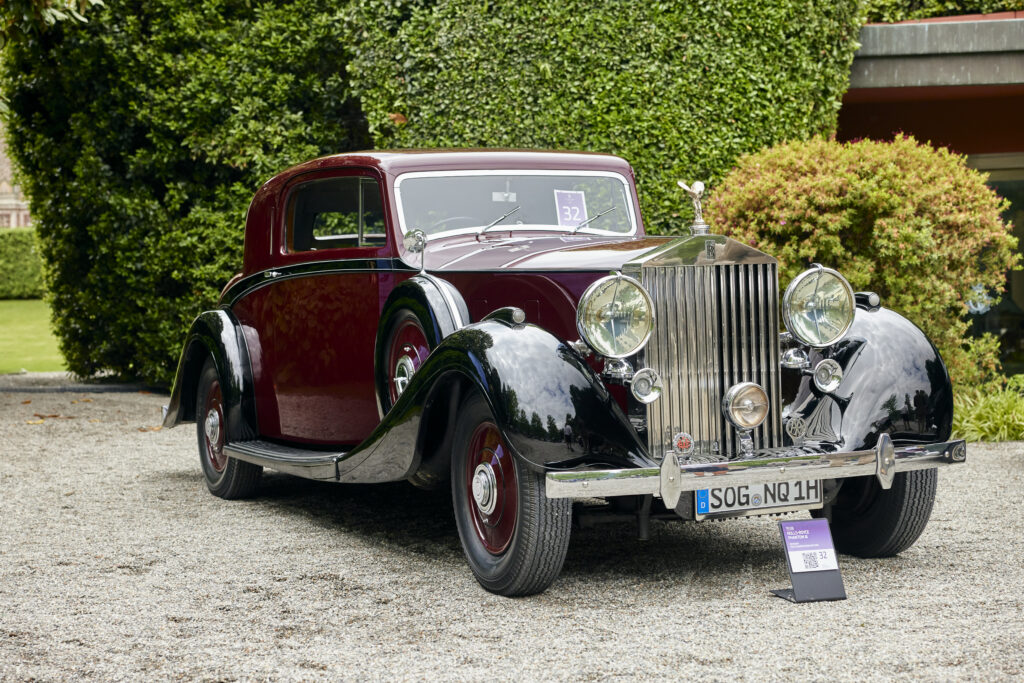
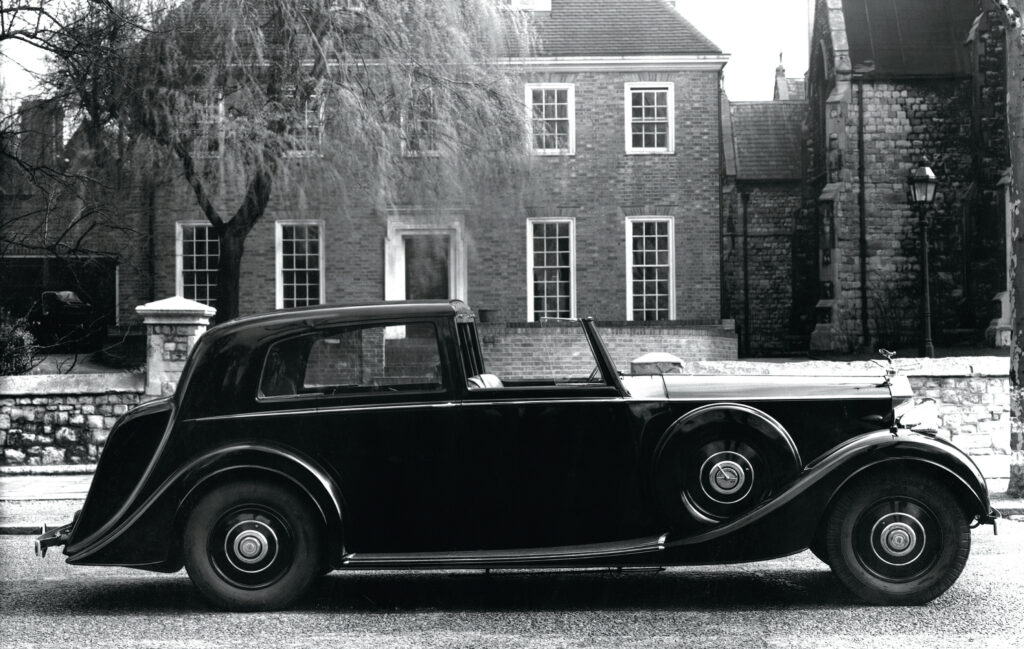
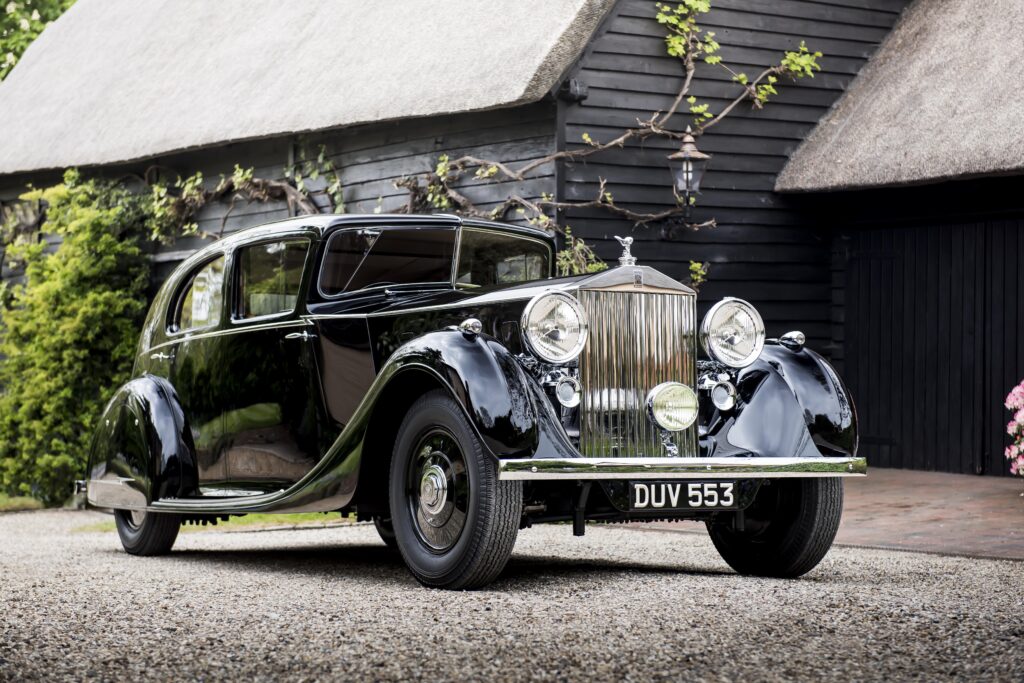
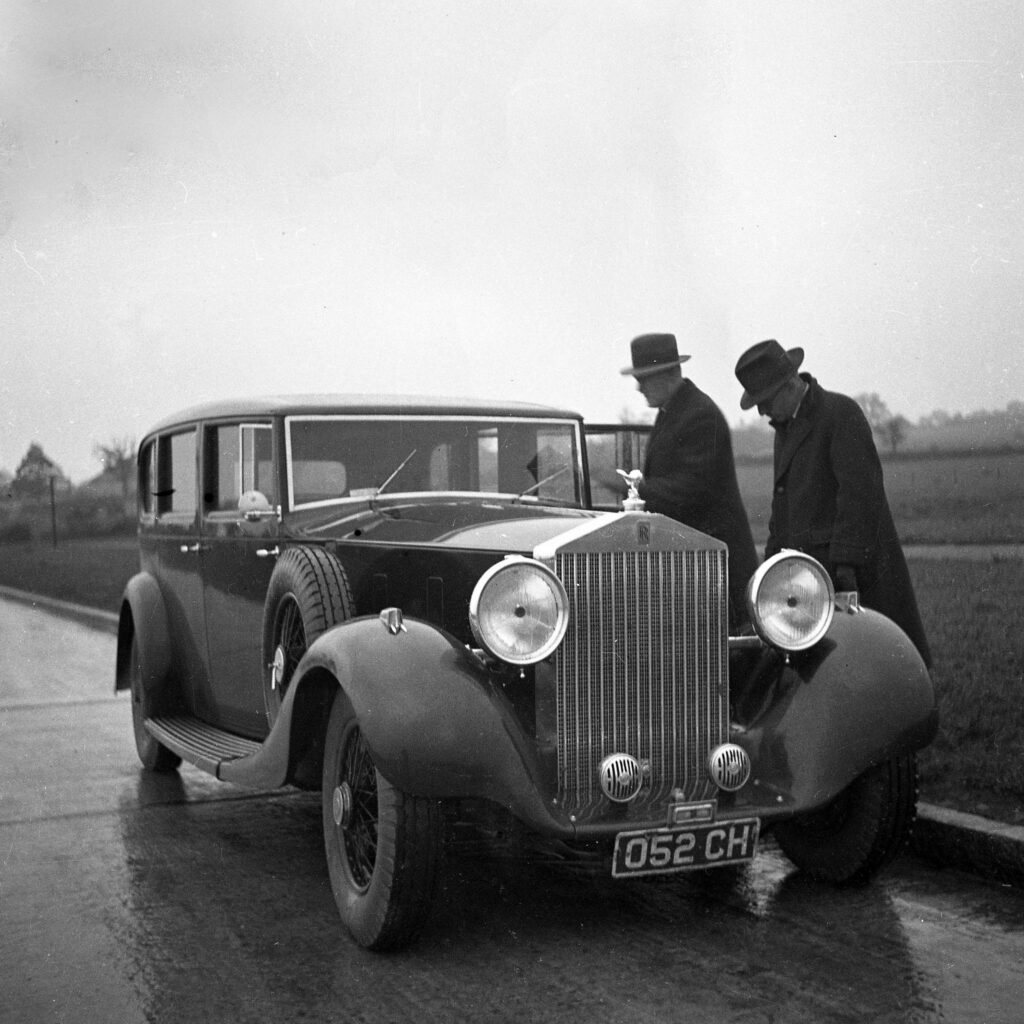
MODELS OF THE MARQUE: THE 1930s THE ROLLS-ROYCE PHANTOM III

The fourth in the ‘Models of the Marque’ series showcases the Rolls-Royce Phantom III. Launched in 1936, it was the first model to be powered by a V12 engine, setting the template for every Rolls-Royce up to and including the modern era. It was also Sir Henry Royce’s last major design before his passing in 1933.

  • A brief history of the Rolls-Royce Phantom III launched in 1936
  • The first Rolls-Royce motor car powered by a V12 engine
  • Sir Henry Royce’s last major design before his passing in 1933
  • Naming of the marque’s first all-electric model, Spectre, was inspired by ten experimental Phantom IIIs built from 1934 to 1937
  • Fourth in a series celebrating landmark models from the marque’s history
  • Year-long retrospective marks the 120th anniversary of the first meeting between Henry Royce and The Hon. Charles Stewart Rolls in 1904

“Launched in 1936, Phantom III has a special place in the pantheon of great Rolls-Royce motor cars. It was the first to be powered by a V12 engine, setting the template for every Rolls-Royce up to and including the modern era, while also incorporating suspension and chassis technology that secured the marque’s enduring reputation for both peerless comfort and outstanding performance. There is a certain poignancy to this motor car, too. Production ceased in 1939 and, despite its technical advances and immense potential, never resumed, leaving a question of what might have been. It was also Sir Henry Royce’s last major design, which his death in 1933 meant he never saw completed. But, visionary that he was, he had established fundamental technical and design tenets that still hold true today.”
Andrew Ball, Head of Corporate Relations & Heritage, Rolls-Royce Motor Cars

As early as 1930, Sir Henry Royce realised that his large-horsepower, in-line six-cylinder Rolls-Royce engines were reaching their technical limits. In simple terms, there wasn’t much more power or torque he could feasibly extract from them. He realised that Rolls-Royce risked losing ground to its American rivals, who were already busily producing luxury cars with much more powerful engines in V8, V12, and even V16 configurations.

Royce had a wealth of experience in designing V12 aero engines, and Rolls-Royce was equally adept at making them. It was therefore a logical and natural progression for Royce to create a V12 engine for the successor to Phantom II, which had appeared in 1929.

Royce’s new engine represented significant technical progress. The new V12 was shorter than Phantom II’s in-line six-cylinder unit, with a capacity of 7.3 litres compared to its predecessor’s 7.6 litres. These more compact dimensions allowed a shorter bonnet and larger passenger compartment, giving coachbuilders more scope than earlier Rolls-Royce rolling chassis. Most importantly, however, the new engine delivered the increased power Royce was seeking. In its initial form, it produced 165 H.P., compared to the 120 of Phantom II, rising to 180 in later motor cars.

The chassis, too, was a major leap forward in design. In another first for the marque, Royce equipped Phantom III with independent front suspension, an innovation that considerably increased both ride comfort and steering control. Characteristically, his design team also incorporated a great number of smaller engineering advances that owners and passengers would probably never notice but greatly reduced the transmission of noise, vibration and harshness caused by poor road surfaces. Taken together, these developments made the Phantom III one of the quietest and smoothest-riding cars of the 1930s. When fitted with Royce’s preferred lightweight coachwork, it was capable of reaching 100 miles per hour.

Royce saw experimental versions of the engine completed, but his death in April 1933 came a year before the first test cars were ready. Ten of these experimental Phantom III motor cars were built between 1934 and 1937 under the codename Spectre, a storied name that lives on today in the marque’s first all-electric model.

The first production Phantom III chassis, sporting a saloon-with-division body built by H. J. Mulliner, was delivered in August 1936. In all, 710 examples were produced, before Rolls-Royce ceased its motor car production in 1939; the last Phantom III was purchased in June 1940.

The directors of Rolls-Royce knew that, once peace returned, they would be operating in a very different world – and that there would be no place in it for a motor car like Phantom III. Perhaps even more so than in 1918, the marque would have to focus its energies on models that were more in keeping with the time, while continuing to build upon the standards of quality and refinement expected of a Rolls-Royce. So, despite its technical brilliance, superlative performance and immense potential for further development, its brief but transformative life was over. Yet its influence would be felt in every Rolls-Royce motor car right up to and including the V12-powered models still being built at Goodwood today. An enduring testament to both the excellence of Phantom III’s design and engineering, and the visionary talents of its creator.

Rolls-Royce Motor Cars has appointed Automobile Bavaria as its official dealer in Romania

The new dealership will operate under the name Rolls-Royce Motor Cars Bucharest. Automobile Bavaria becomes first authorized Rolls-Royce dealer in Romania since the foundation of the brand 120 years ago.


As an authorized dealer, Rolls-Royce Motor Cars Bucharest will have the capability to offer the complete range of products and services directly. Clients in Romania will enjoy enhanced access to the Rolls-Royce portfolio and services, supported by the exceptional commitment and support for which Automobile Bavaria is renowned.

Rolls-Royce is set to open a showroom worth nearly 1 million euros in the north of Bucharest. This marks also the first time the British luxury car manufacturer will establish an authorized dealership in Romania. BMW’s brand is distributed in Romania through Automobile Bavaria, which also manages the official Rolls-Royce service center in Bucharest.

Consequently, Romania is poised to become the third country in the Balkans, alongside the Czech Republic and Turkey, to inaugurate an official Rolls-Royce showroom, located within the Automobile Bavaria complex in Băneasa. Automobile Bavaria has been inaugurated as a Rolls-Royce service partner in 2010. The new dealer Rolls-Royce Motor Cars Bucharest forms part of Schmidt Premium Cars, as does Rolls-Royce Motor Cars Munich.


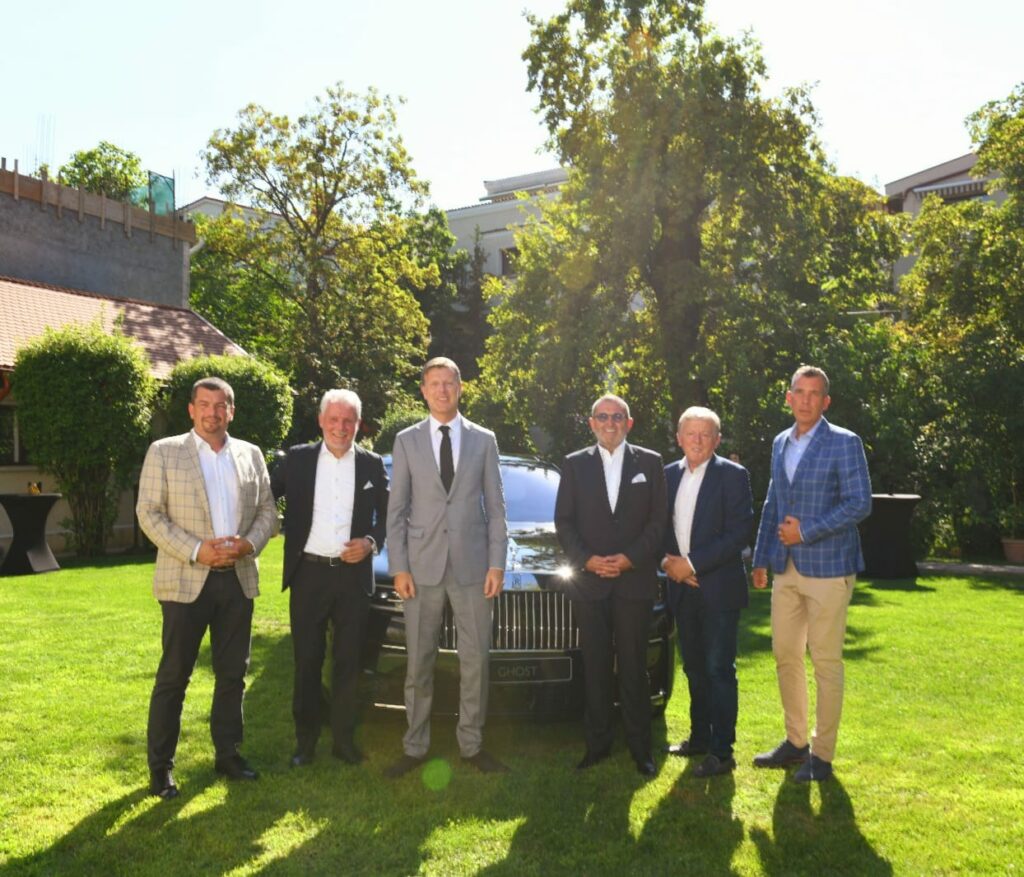
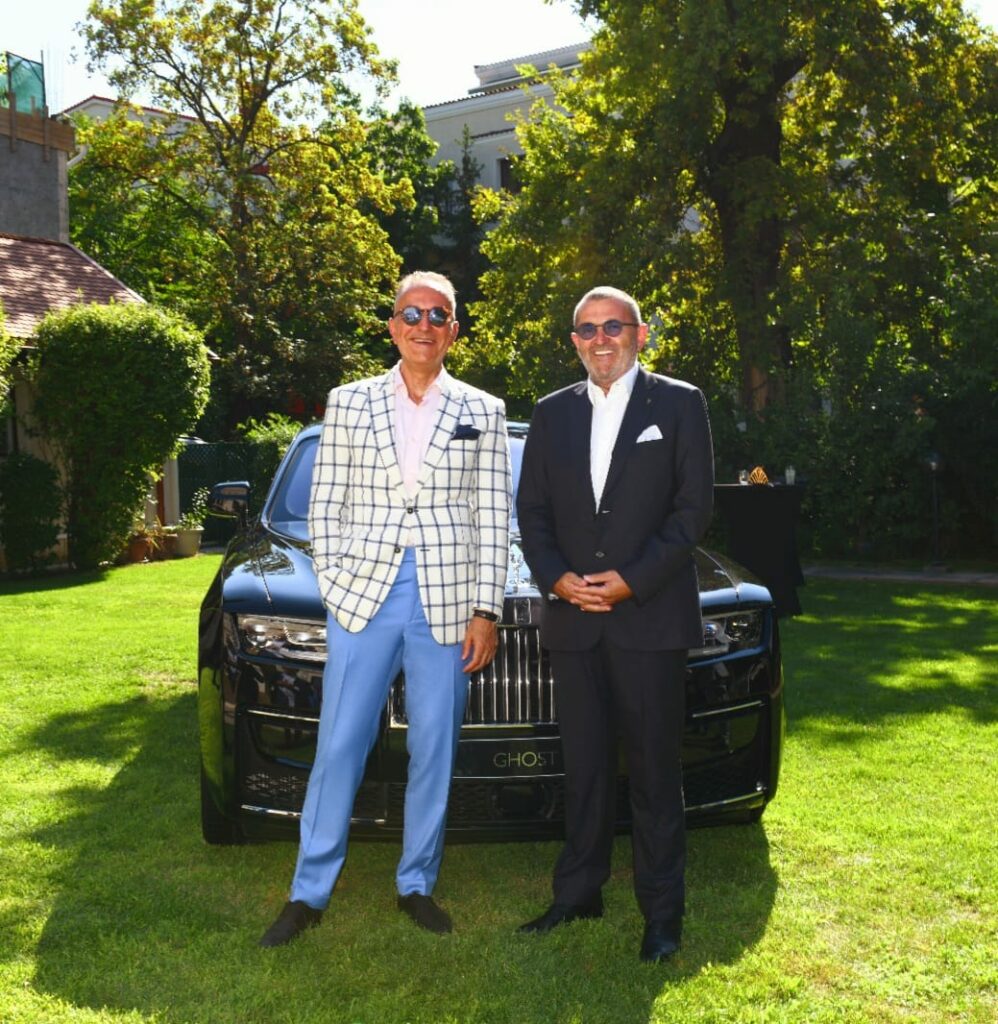
The announcement was made during a press conference held at the British ambassador’s residence in Bucharest. The event was attended by Giles Portman, the British Ambassador to Bucharest, Michael Schmidt Owner of Automobile Bavaria, Frank Tiemann – Head of Corporate Communication for Central/Eastern Europe and Central Asia Rolls at Royce Motor Cars, Leonhard Georg Pfeffer, CEO Automobile Bavaria, Cristian Bednar -Brand Manager at Rolls-Royce Authorised Service Workshop Bucharest and Ciprian Bercea – Marketing & Digitalization Director at Automobile Bavaria, along with members of the Romanian press.

Rolls-Royce Motor Cars London kicks off the summer sporting season by inviting patrons to enjoy one of the most sought-after highlights in the sporting summer season

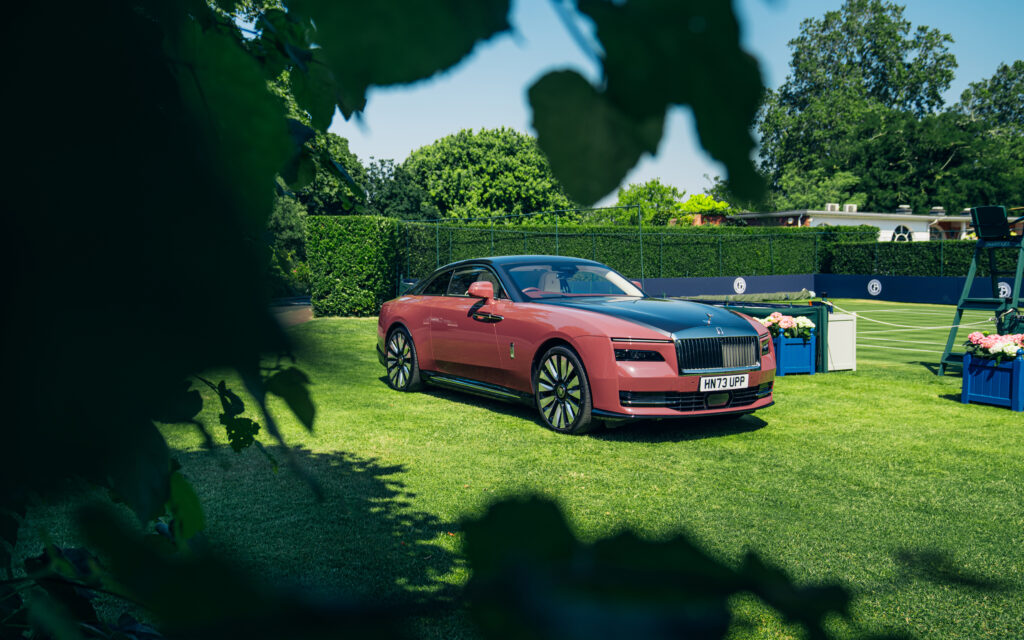
Rolls-Royce Motor Cars London kicks off the summer sporting season by inviting patrons to enjoy one of the most sought-after highlights in the sporting summer season: a day at The Hurlingham Club Tennis Classic.

Rolls-Royce Motor Cars is fortunate to have personal relationships with its clients around the world, and an intimate understanding of the unique and remarkable world in which its patrons live. It is therefore fitting that the marque serves a gentle presence at some of the world’s most luxurious locations and events, where existing owners and those wishing to learn more about the brand can enjoy the Rolls-Royce experience in a different, yet highly appropriate setting.

Rolls-Royce Motor Cars London kicks off the summer sporting season by inviting patrons to enjoy one of the most sought-after highlights in the sporting summer season: a day at The Hurlingham Club Tennis Classic. Speaking on the eve of the event, Claus Andersen, Brand Director of Rolls-Royce Motor Cars London, said, “Crafting and delivering unforgettable experiences is a cornerstone of our commitment to clients. Hosting patrons and media at The Hurlingham Club is just one of the many highly personal encounters and memorable experiences we offer, and is indicative of the marque’s unique approach to connecting with its audience.”
Claus Andersen, Brand Director, Rolls-Royce Motor Cars London

Since its opening in 1869, The Hurlingham Club, with its croquet and tennis lawns, and beautifully manicured gardens, has been a sought-after destination, renowned for its sporting prestige, lifestyle events and social occasions. Located on the River Thames, only a few miles away from the marque’s flagship showroom in the heart of Mayfair, The Hurlingham Club, is a glorious place to meet old friends and new.

Rolls-Royce Spectre, the marque’s ultra-luxury all-electric super coupé, will be making its debut at the event, accompanied by an exquisite collection of other Rolls-Royce motor cars which showcase just some of the marque’s legendary Bespoke possibilities.

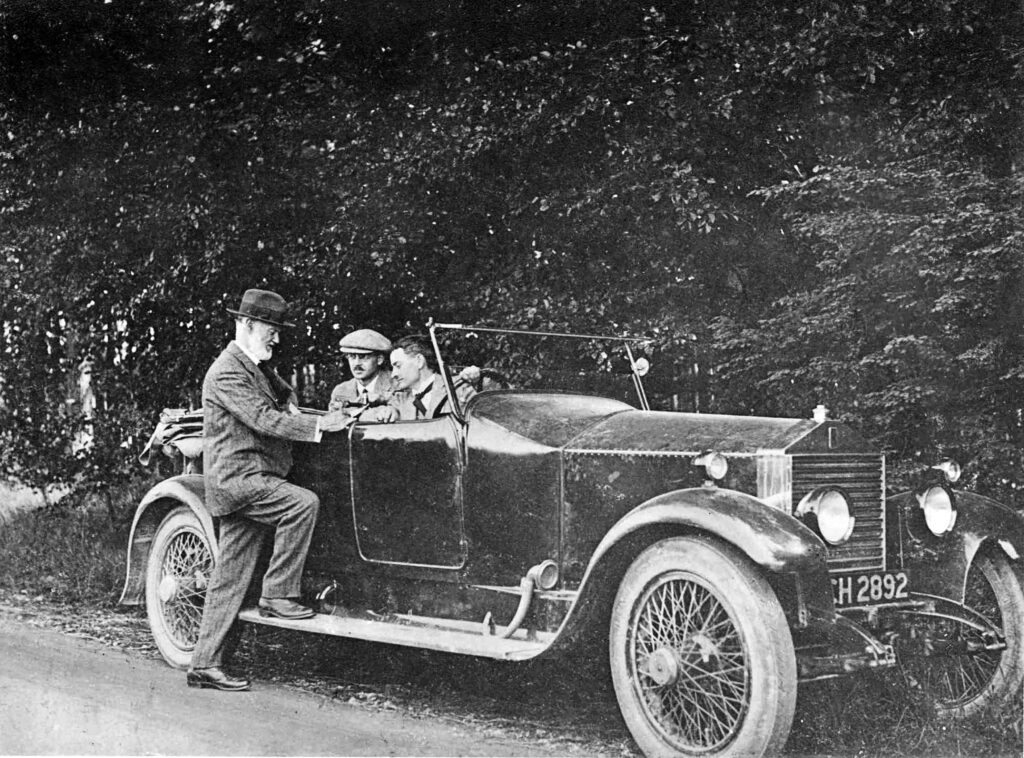
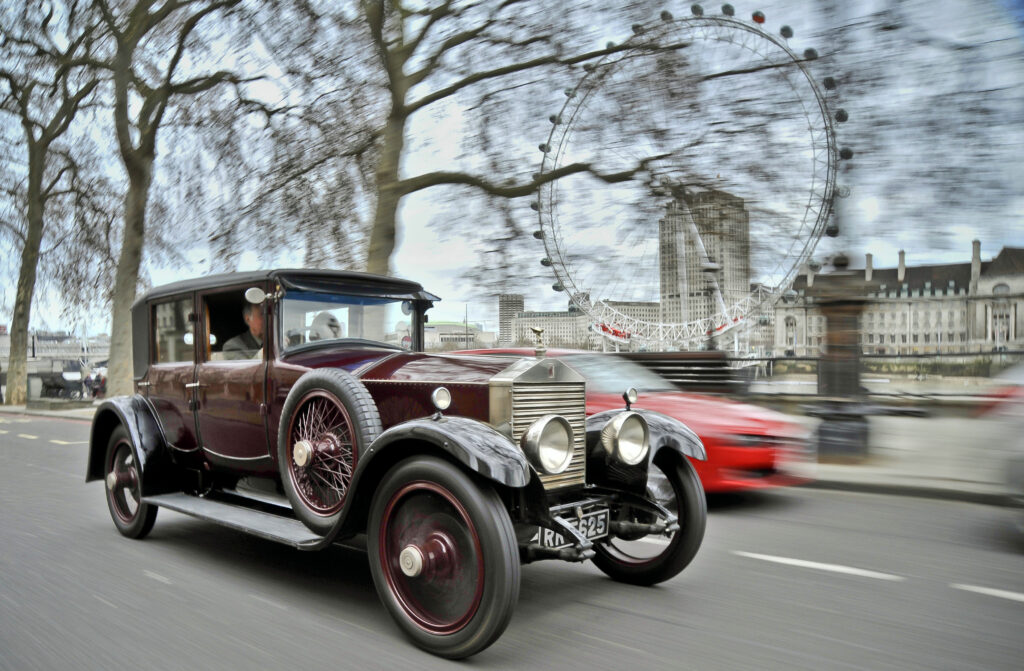
The third instalment of the ‘Models of the Marque’ series celebrates the Rolls-Royce 20 H.P. – the ‘Twenty’. Launched in 1922, this transformative motor car was the first Rolls-Royce expressly designed for owner-driven motoring.

  • A brief history of the Rolls-Royce 20 H.P. – known as the ‘Twenty’ – launched in 1922
  • A transformative motor car for the marque, it was the first Rolls-Royce ever designed expressly to be owner-driven rather than chauffeured
  • Third in a series celebrating landmark models from each decade of the marque’s history, from its foundational years in the 1900s to the contemporary Goodwood era
  • Year-long retrospective marks the 120th anniversary of the first meeting between Henry Royce and The Hon. Charles Stewart Rolls in 1904


“The legendary 20 H.P., known simply as the ‘Twenty’, was launched on 6 October 1922. Designed by Henry Royce, it ranks among the most important and transformational models ever produced by the marque. Its technology was highly advanced for the time and set the mechanical template for generations of Rolls-Royce motor cars that followed it. Smaller, lighter and less complex than its predecessors, it was also the first Rolls-Royce specifically intended for owners to drive themselves, rather than chauffeured use, reflecting the changed world in which Rolls-Royce found itself operating after 1918. More than a century later, its influence can still be seen in contemporary automotive engineering and design, including the models we build at Goodwood today – a remarkable motor car with an extraordinary legacy.”
Andrew Ball, Head of Corporate Relations and Heritage, Rolls-Royce Motor Cars

A CHANGED WORLD
Even before the Armistice was signed in 1918, Henry Royce was preparing for what he knew would be a very different post-war world. He reasoned that, given the likely difficulty of recruiting, retaining or affording a mechanic or chauffeur as they had done previously, some customers would no longer be able or willing to run the marque’s most popular pre-1914 model, the 40/50 H.P. ‘Silver Ghost’. He needed to create a motor car that was simpler to maintain – and, even more importantly, that the owner could more easily drive themselves. At the same time, Royce knew these discerning clients would expect and accept nothing less than the Rolls-Royce standards of excellence they were accustomed to – and neither would he.

THE ‘TWENTY’
On 6 October 1922, Rolls-Royce unveiled its new ‘small horsepower’ motor car, the 20 H.P., the first Rolls-Royce ever designed expressly to be owner-driven rather than chauffeured. It was immediately obvious that the ‘Twenty’, as it quickly became known, represented a huge technical leap forward. Its straight-six cylinder, 3.1-litre engine was less than half the size of the Silver Ghost’s 7.5-litre unit: however, the new model also weighed around 30% less. This meant the performance gap between them was far less than the raw numbers might suggest. Indeed, with its light controls and more advanced steering, braking and suspension systems, the ‘Twenty’ made the Silver Ghost seem rather outdated, although the larger model remained significantly ahead of its direct competitors.

The ‘Twenty’ quickly became a firm favourite both with established Rolls-Royce owners and those new customers for whom, as Royce had predicted, purchase price and ongoing running costs were more important considerations than they had been a few years earlier.

In letters to the motoring press, one happy owner praised it as ‘a charming piece of mechanism’ while another declared, ‘I have never handled anything as sweet-running’. A company advertisement quoted an expert assessment of the car as ‘everything a motorist can want… motoring with a high degree of refinement and its simplicity of construction will delight the driver’. After taking delivery of his car, a contented customer wrote to the company from his home in France declaring: ‘I drove my 20 H.P. here from Liverpool and am very satisfied with the running of the engine, not having to change gear between Liverpool and Versailles’.

WEIGHTY ISSUES
Like all Rolls-Royce models of the era, the ‘Twenty’ was produced as a ‘rolling chassis’, on which owners commissioned bespoke bodywork from an independent coachbuilder. Royce had always intended that it should primarily be an owner-driver car and hoped coachbuilders and customers alike would embrace this by keeping their creations as svelte and lightweight as possible.

However, he was unable to change the habits of a lifetime among some customers. Many owners persisted in specifying their preferred style of solid, formal coachwork that was both heavier and produced greater wind resistance. To Royce’s understandable irritation, these massive, overbuilt bodies inevitably compromised performance.

Ever the pragmatist, Royce knew there was only one way to improve the weight-to-performance ratio. In 1929, the ‘Twenty’ was replaced by the 20/25 H.P., powered by an enlarged capacity engine, followed in 1935 by the 25/30 H.P. with a 4.25-litre powerplant. The ‘small horsepower’ era finally came to an end with the Wraith of 1938. These later iterations, all direct developments of the ‘Twenty’, add further lustre to its record and reputation.

A LASTING INFLUENCE
The ‘Twenty’ had a profound influence on Rolls-Royce long after production ceased in 1929, by which time no fewer than 2,940 examples had been built. In particular, the straight six-cylinder engine – with detachable cylinder head and overhead valves – would provide the template for Rolls-Royce engines for years to come. Open the bonnet of any six-cylinder Rolls-Royce right up to the Silver Cloud model (1955-9) and their shared heritage is clear to see, albeit with many internal improvements. And when the by-then venerable Silver Ghost was replaced with the new Phantom in 1925, its engine also adopted the essential ‘Twenty’ pattern.

‘MODELS OF THE MARQUE’: THE 1920s – ROLLS-ROYCE 20 H.P. THE ‘TWENTY’

ROLLS-ROYCE ‘MODELS OF THE MARQUE’: THE 1910s – THE ROLLS-ROYCE 40/50 H.P. ‘SILVER GHOST’

ROLLS-ROYCE ‘MODELS OF THE MARQUE’:
THE 1910s – THE ROLLS-ROYCE 40/50 H.P. ‘SILVER GHOST’

Monday 3 June, Goodwood, West Sussex

  • A brief history of the Rolls-Royce 40/50 H.P. – generally known as the ‘Silver Ghost’ – launched in 1906
  • Legendary performances in the great motor trials of the early 20th Century cemented Rolls-Royce’s reputation as creators of ‘the best car in the world’
  • Second in a series celebrating a landmark model from each decade of the marque’s history, from its foundational years in the 1900s to the contemporary Goodwood era
  • The selected motor cars represent significant developments in design, construction, engineering and technology that continue to influence the marque’s products today

“Of all the famous nameplates borne by Rolls-Royce motor cars since 1904, few are as celebrated, significant, evocative and enduring as the ‘Silver Ghost’. Formally launched in 1906 as the 40/50 H.P., it was the first model to be awarded the soubriquet of ‘the best car in the world’ that Rolls-Royce retains to this day, setting unmatchable standards for performance and reliability, proven in the era’s toughest road trials. It was also a stupendous commercial success, with almost 8,000 examples built in the UK and US over an 18-year period – an unimaginable product lifespan in the modern age. That so many Silver Ghosts still survive in full working order – and, indeed, regularly perform the same feats they achieved more than a century ago – is a lasting monument to Henry Royce’s engineering genius.”

Andrew Ball, Head of Corporate Relations and Heritage, Rolls-Royce Motor Cars


By 1906, just three years after its foundation, Rolls-Royce was already something of a victim of its own success. Demand for its motor cars was such that its line-up had quickly expanded from the original twin-cylinder 10 H.P. to include three-cylinder 15 H.P., four-cylinder 20 H.P. and six-cylinder 30 H.P. models. Henry Royce had even produced the first ever V8 passenger motor car, known as the ‘Legalimit’ since the 3.5-litre engine was governed to keep it below the 20mph speed limit then in force in Britain – only three of these were ever made, and it remains the only Rolls-Royce model of which no examples survive. This proliferation of models reflected a trend across the luxury automotive sector, as competing manufacturers chased an ever more finely segmented client base.

However, for Rolls-Royce, it caused major manufacturing headaches, since many parts were not interchangeable between models. The problem was compounded by Henry Royce’s entirely laudable policy of continuous improvement; his constant adjustments and refinements went all the way down to the smallest components. This created variations between – and even within – production series, to the extent that often only a handful of individual motor cars would be entirely identical.

As with almost any manufacturing process, more complexity and variability meant increased costs. This was anathema to the highly astute, commercially driven Managing Director, Claude Johnson. Having decided radical change was needed, he proposed the marque should focus all its energies on producing just one model. Charles Rolls enthusiastically agreed, but insisted it should be positioned at the top end of the market, where Rolls-Royce was already gaining a reputation as the very best motor car available.

Though a ruthless perfectionist and tireless innovator, Royce was also a pragmatist. He saw the logic of his colleagues’ single-model approach and duly produced a completely new motor car, the 40/50 H.P.

As with all Rolls-Royce models of the time – and indeed until the 1950s – the 40/50 H.P. was a rolling chassis, upon which the client commissioned bodywork from an independent coachbuilder. At its heart was a new six-cylinder, 7036cc engine (from 1910, the capacity was increased to 7428cc). Royce’s groundbreaking design effectively divided the engine into two units of three cylinders each; combined with a harmonic vibration damper on the crankshaft – a feature still used by modern manufacturers – he effectively eliminated the vibration problems caused by resonate frequencies that had bedevilled six-cylinder engines up to that point.

This technical achievement alone would have been sufficient to make the 40/50 H.P. a historically significant motor car. But it was the marketing genius of Claude Johnson that assured its immortality.

When the 40/50 H.P. was launched, new motor cars were taxed based on their horsepower. In general, this meant higher-value motor cars attracted heavier duties than lower-priced models. Since many of the more powerful motor cars on the market were imported, the tax also helped protect domestic British producers.

To provide a universal basis for these tax calculations, the Royal Automobile Club (RAC) developed the ‘tax horsepower rating’. This was derived not from actual engine output, but by an esoteric mathematical formula based on three engine measurements, all the more arcane when expressed in the prevailing imperial units: an assumed mechanical efficiency of 75%; a mean cylinder pressure of 90lbs per square inch; and a mean piston speed of 1,000 feet per minute. Since these differed from engine to engine, in reality, the resulting figure was almost entirely arbitrary, but could be applied by manufacturers and bureaucrats alike. Using this formula, the new Rolls-Royce was tax-rated by the RAC at 40 horsepower; in fact, it developed 50. Hence it was given the prosaic ‘40/50 H.P.’ designation on launch, so clients would know both the level of duty they would have to pay and how much power they could expect.

As an engineer, Royce was probably quite comfortable with this functional naming convention, but not so Claude Johnson. To his showman’s mind, it lacked distinction, resonance, romance and glamour; and it certainly failed to properly suggest the desirable, best-in-class motor car envisioned by Charles Rolls.

Accordingly, some 50 of the early motor cars were given suitably imposing names, either by Johnson or by their proud owners. In an inspired moment, Johnson dubbed the twelfth chassis, number 60551, the ‘Silver Ghost’, in homage to its almost supernatural quietness and smooth ride. Painted silver and adorned with silver-plated fittings, it was widely exhibited by Rolls-Royce at motor shows, and Silver Ghost would go on to become the name by which the 40/50 H.P. was generally known, as it is today.

But chassis 60551 was more than just a showpiece. Out on the road, it dominated the gruelling, high-profile reliability trials that represented the pinnacle of motoring endeavour at that time and were thus central to Johnson’s relentless promotional activities. In the process, it perhaps did more than any other early Rolls-Royce model to establish the marque’s international reputation for performance and engineering excellence.

Its extraordinary run of success began with the 1907 Scottish Reliability Trial, in which it covered some 2,000 miles without a single breakdown, the only delay being for a minute to re-open a closed fuel tap. Immediately afterwards, it covered 15,000 miles non-stop, driving day and night except for Sundays, setting a new world record for continuous travel.

In 1911, impelled by his own pursuit of perfection and Johnson’s insatiable appetite for publicity, Royce unveiled a new version of the Silver Ghost. Known as the ‘London to Edinburgh’ type, it was designed for the RAC’s flagship reliability trial, a return run of almost 800 miles between the two capitals. In an age long before motorways, the route consisted almost entirely of poorly surfaced A- and B-roads; to add to the challenge, cars were locked in top gear from start to finish.

Chassis number 1701 won the event at an average speed of 19.59mph, returning a then-unheard-of fuel efficiency of over 24 mpg. To prove it had not been modified in any way, it achieved 78.2mph on a half-mile speed test conducted soon after the Trial; later that year, fitted with a lightweight streamlined body, it attained 101.8mph at the fabled Brooklands circuit in Surrey, becoming the first Rolls-Royce in history to exceed 100mph.

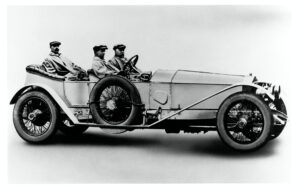
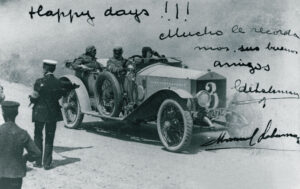
But arguably the 40/50 H.P.’s greatest sporting triumphs came in 1913. A ‘works team’ of three Silver Ghosts, plus one privately entered car, all specially prepared to the same specification for the rigours of high-speed endurance motoring, gained first and third places in that year’s Alpine Trial, which started and finished in Austria. Customers immediately demanded a Silver Ghost offering similar performance, so Rolls-Royce released a production model of the competition cars; formally named the Continental, these were generally known as ‘Alpine Eagles’. The Continental itself then scored a landmark win in the inaugural Spanish Grand Prix, driven by the newly appointed Rolls-Royce agent for Spain, Don Carlos de Salamanca. His victory by three minutes helped Rolls-Royce break into a Spanish market that had long been dominated by French marques.

These faultless performances, together with the quietness and smoothness of operation implicit in its name, secured the Silver Ghost’s reputation as ‘the best car in the world’. It proved an enormous commercial success for Rolls-Royce, with 6,173 examples built in Britain, and a further 1,703 at the marque’s American factory in Springfield, Massachusetts, between 1907 and 1925.

Thanks to these relatively large volumes over a long production run, the Silver Ghost has one of the largest surviving populations of early Rolls-Royce models. This longevity is a testament to Royce’s engineering and the marque’s build quality. Even more impressive, however, is that some are still capable of the performances they achieved when new. In 2013, 47 Silver Ghosts, including one of the original team, retraced the 1,800-mile route of the 1913 Alpenfahrt, while in 2021, chassis 1701 repeated its record-breaking London-Edinburgh run; locked in top gear, just as it had been 110 years earlier.

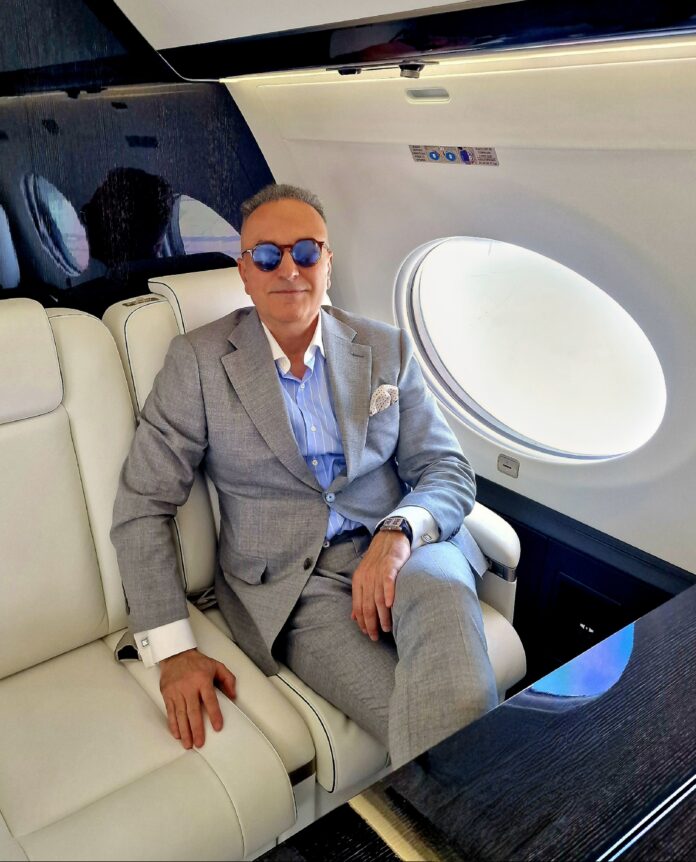
Flying in Style: An Interview with Cristian Octavian Frăsin, CEO and Founder of Private Jets Europe

Private Jets Europe is a leading provider of private jet charter services, offering access to exclusive aircraft and personalized travel solutions. The company has established itself as a trusted partner for clients seeking luxury and convenience in air travel. In this interview, we speak with Cristian Octavian Frăsin, CEO and Founder of Private Jets Europe, about his journey in the industry, and the company’s commitment to providing exceptional service to its clients.

Luxury Lifestyle Awards: What inspired you to start Private Jets Europe, and how has the company evolved since then?

Cristian Octavian Frăsin: When we started our business in 2008, we noticed a significant gap in the market for these types of services. Recognizing it as a promising business opportunity, we embarked on a journey to set new standards and surpass expectations in the realm of luxury and corporate private jet charter services. We take great pride in providing a diverse range of professional services, with the utmost emphasis on the health, safety, and comfort of our esteemed clients.

LLA: How do you ensure the safety and security of your clients when they fly with Private Jets Europe?

CF: As I always like to say, safety is our number one priority. We exclusively work with accredited operators, who are the best in the business, and we have access to the latest aircraft types.Especially during the Covid period and in its aftermath, we have implemented strict health and safety guidelines. Chartered flight providers are even more stringent than commercial flights, partly due to the lower number of passengers, which makes it easier to keep track of everyone. Furthermore, private passengers rightfully expect top-quality service, as they have paid for a safe and secure travel experience. It’s important to note that those travelling on commercial flights typically come into contact with around 700 objects and people, on average. In contrast, private flying exposes you to only about 30 contact points.

Read the full interview here

Interview with Christi Tannahill, Textron Aviation’s Senior Vice-President Customer Experience

Who is Christi Tannahill, and what is the most important aspect of your role?

I have dedicated the majority of my career to customer service and support. Prior to my current role at Textron Aviation, I held the position of senior Vice-President of turboprop aircraft and interior design. In this role, I oversaw the development of our popular turboprop platforms and led the interior design team. I assumed the position of senior Vice-President of interior design and engineering in 2016. Currently, as senior Vice-President of Customer Experience at Textron Aviation, I am responsible for the interior design and engineering functions across the entire product lineup of the company.

I am married, with 3 children, and a very proud mother. It’s wonderful to be a proud mother, especially when your children have achieved significant milestones in their education. Having two graduates from college, one from Law school, and one currently in junior high school is a great accomplishment.

Each of my children’s educational journeys is unique and represents their individual efforts and paths to success. As a parent, I have played an essential role in supporting and guiding them along the way. I continue to encourage and nurture my children as they progress through their education.

One of the things I love about my job is that I always say I have the best job in the company. I have the opportunity to work closely with customers throughout the entire process, from market research to delivering the airplane. My responsibilities include marketing events like EBACE and overseeing the organization of these events.

I am also involved in designing both the interior and exterior of our products. It’s a rewarding experience to meet with customers even before they become our customers and then deliver the airplane to them when they take delivery. I am fortunate to have an amazing team that consistently performs exceptionally well.

However, the best part of my job is the ability to build relationships with customers, starting from the interior design phase and listening to their needs all the way through to delivering the final product.

How do you balance the need for aesthetics and functionality in the interior design of Textron Aviation’s aircraft, while maintaining a focus on customer experience?

That’s a great question.

The customers’ visionary board is extremely valuable because it allows us to address their needs effectively. When our customers become part of the team, they have the opportunity to share their preferences without any limitations. They communicate everything they desire to have in the airplane.

For example, I often discuss the idea of having a couch in the cabin as a differentiating factor. However, we also maintain transparency by informing them about the potential cost and additional weight associated with their requests.

This open dialogue is essential for making informed decisions. We utilize the information provided by the customers to understand their priorities. They may quickly realize that certain costs or added weight are not favorable to them, but they acknowledge the importance of certain aspects. Even when dealing with a diverse customer base and customer advisory board, we strive to determine what is best for the airplane in terms of performance, design, and functionality. The feedback provided by our customers ensures that we align our efforts with their desires accurately.

READ MORE


PJE

Mountain Hub Gourmet, a sublime food experience

Mountain Hub Gourmeta Michelin-starred restaurant, is the new Fine Dining Restaurant of the Hilton Munich Airport. Reopened in September 2021, is set against the majestic backdrop of the Alps, right next to Munich Airport. The restaurant’s 33-year-old chef, Stefan Barnhusen has been head chef at Mountain Hub Gourmet since September 2020. He previously worked in the Michelin one-starred Jellyfish restaurant in Hamburg, and at Seehotel Überfahrt on Lake Tegernsee under the three-star chef Christian Jürgens.

The restaurant itself is spacious and boasts a stylish, modern design with an unusual semi-circular floor plan. It’s everything that you would expect it to be, and more, with an attentive and helpful service team, headed up by maître d’ Johannes J. Gahberger. Service-driven they aim to inspire while staying true to their ethos of generous hospitality.

A sophisticated world-class establishment, of the highest excellence, that celebrates the diversity of its guests by offering a sublime food experience. Intended for those with an appreciation for the exceptional, Mountain Hub Gourmet caters to international visitors and locals alike, whether it’s for a business lunch between flights or dinner and an evening of romance.

Using only the best ingredients and fresh, seasonal produce from the area, together with his refined ability, the food is meticulously and magically transformed by a passion to another level. Not only a symphony of flavours but a feast for the eye, each dish is beautifully and playfully presented with the utmost precision and extravagant artistic flair, perfectly balanced by colour, texture, and attention to detail.

privatejetseurope

La Zambra – The Ultimate Mediterranean Getaway

La Zambra has recently been awarded by the experts at Luxury Lifestyle Awards for Best Luxury New Hotel in Andalusia, Spain, in 2022, confirming the hotel’s luxury ambiance and opulent amenities. The reborn hotel that was once known as Byblos hotel for its celebrity status and luxurious activities, has joined The Unbound Collection by Hyatt – dedicated to inspiring its guests to write their unique holiday story of a relaxed and luxurious getaway. The hotel offers a plethora of world-class suites and rooms, traditional yet immersive gastronomy, as well as a tranquil spa and fun activities.

Created by architecture firm Esteva I Esteva, the hotel includes 197 rooms and suites which express soft, tranquil, and relaxing tones, inducing Andalusian essence with a breathtaking backdrop of the luscious landscapes. The use of natural materials embodies the intimate atmosphere of the hotel’s Spanish-Mediterranean architecture and interior.

Room and suite options include garden and golf course views, luxurious amenities, soft linens, and premium experiences like a walk-in rain shower. The hotel offers four different dining concepts that are sure to impress anyone’s tastebuds. Enjoy a combination of innovative and traditional meals that tell stories about La Zambra’s cultural heritage. Experience all-day Mediterranean fare at Palmito’s, neo-tavern dishes paired with the world’s finest wines at Picador, a diverse menu of snacks and drinks at Bambolea Bar, and casual fare at La Bartola, a Spanish-inspired beach bar.